
Explore Delaware solar incentives that help make the switch to clean energy even more affordable. From utility provider rebates to net metering, learn everything you need to know about solar incentives in the First State.

Delaware is among the forward-thinking states that have made a public commitment to embracing renewable energy. The state has set a target to generate at least 40% of its energy through renewables by 2035. This aggressive decarbonization plan underlines some solar incentives available to DE residents.
This plan involves modernizing government infrastructure as well as helping subsidize home and business owners who want to go green. You can make the most of this commitment through valuable incentives.
Delaware combines some strong installation rebates with other ongoing incentives such as SRECs and Net Metering.
The incentive structure in Delaware carries some differences from those in other states. In particular, the state itself doesn’t administer rebates. Instead, individual utility providers have their rebates. The amount differs by provider, and the amount of the rebate is determined by the size of the system installed.
Delmarva Power offers the best deal. Customers who make the switch can access the Green Energy Grant Program. You receive $700 per kilowatt (kW) installed. The per kW amount is lower than some other providers but comes with a higher ceiling. For large systems, you can get up to $6,000 in total.
DEMEC is great for smaller systems due to a higher per kW rebate amount but a lower ceiling. DEMEC customers can receive $1,000 per kW up to $3,500.
Lastly, customers of Delaware Electric Cooperative can get $500 per kW up to a maximum of $2,500. These rebates help make your system installation costs more affordable.
Delaware allows you to access passive incentives by simply generating power with solar. Net metering is a way to capitalize on periods of high energy production, while SRECs are saleable credits you earn over time.
One of the premier solar incentives in Delaware comes through the state Green Energy Program. Available to Delmarva Power customers, a solar grant can help you recoup the costs of a solar installation project. For a residential or business solar installation, you can currently receive a rebate of up to $6,000 for your project.
To qualify for this rebate, you must be a customer of Delmarva Power, and work with an approved solar installation company like Lumina.
Like SRECs, net metering creates ongoing benefits for you. Over time, you may go through periods where your system is producing more energy than you can use. Some system owners opt to purchase a battery storage system so they can access this energy during grid outages. However, if you don’t have a battery storage system, your excess energy will be sent back to the utility company. In return, you’ll receive net metering credits. These can be used to purchase energy at a reduced cost during times when you’re using more energy than your system can produce. It’s an excellent perk that ensures the advantages of your solar system are spread throughout the year.
In 2022, the Biden Administration renewed and increased the federal solar investment tax credit. Now until 2032, you can claim a 30% income tax credit on the cost of your system installation. This deduction is part of the federal commitment to encourage broader adoption of renewable power throughout the country.

Since 2018, we’ve worked hard to help home and business owners access the various benefits solar offers. For us, everything starts with a commitment to transparent, exceptional service. Your questions are always valued by us, and we take the time to walk you through each step of making the transition to solar energy. We’re honored by the reputation we’ve been able to build with clients, as seen in our over 400 five-star reviews on Google.
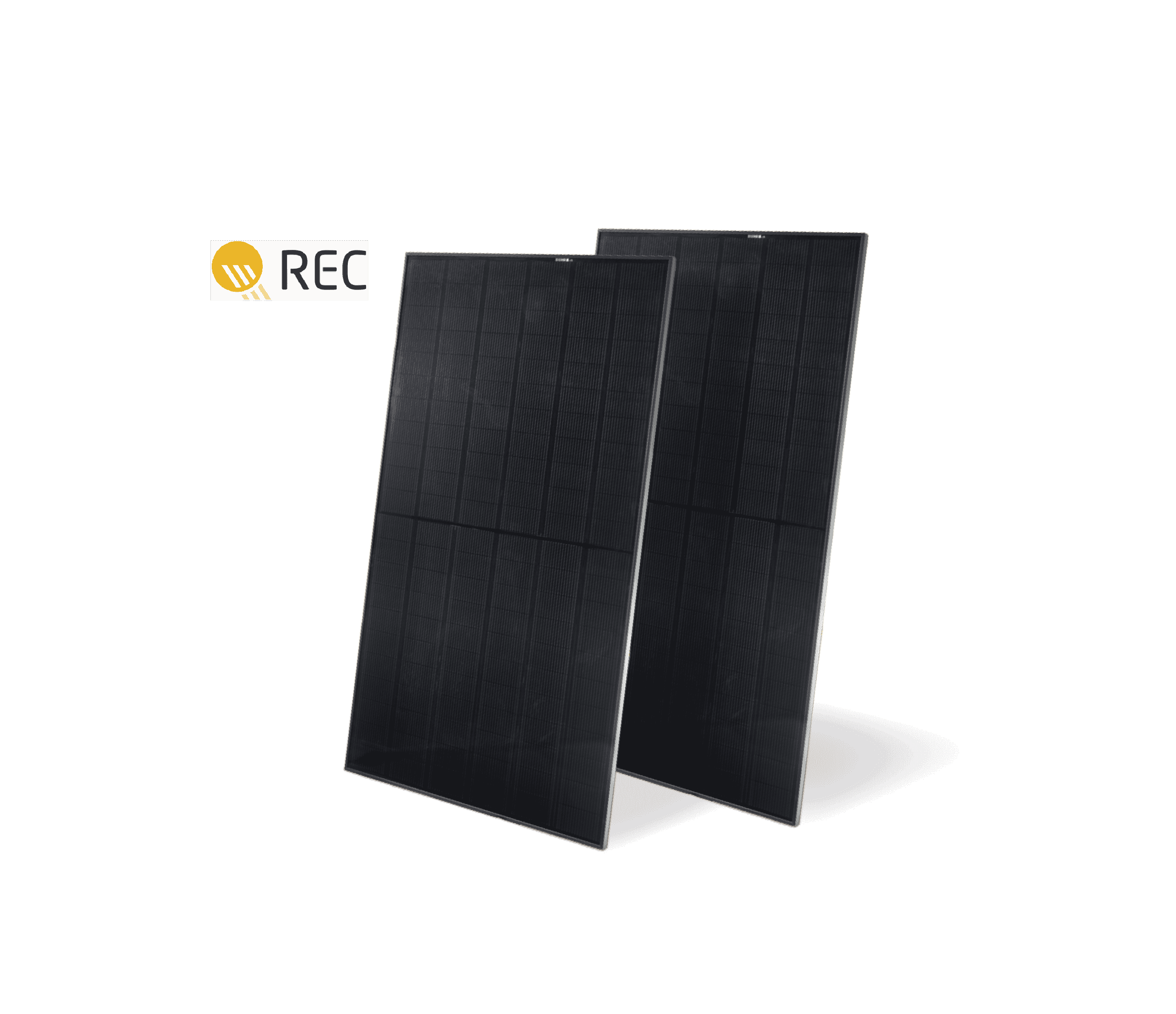
Your system’s performance will be determined by the quality of the design and installation, as well as the quality of the products being installed. We’ve put in the legwork to find some of the best products in the industry to use for our projects. You can trust you’re getting top-tier panels, inverters, and racking systems that will stand the test of time and produce excellent results.
Across the country, state and local governments are taking substantial steps to transition their energy systems to renewables. They recognize the necessity of reducing carbon emissions to create a healthier environment for us all. This commitment to renewable energy is echoed by large multinational corporations such as Apple, Target, and Walmart. More and more pieces of energy infrastructure will be shaped by solar, wind, and more. By making the switch now, you’re preparing yourself for the world of tomorrow.
Solar energy does more than just save you cash. It also allows you to make a tangible impact on your carbon footprint. With solar, you are changing the way you use energy for the better.
With solar incentives that help you save today, and for years to come, there’s never been a better time to go solar in Delaware. Reach out to our expert solar consultants to get started on your journey today.
Delaware solar incentives for homeowners include Green Energy Program rebates through Delmarva Power, Delaware Electric Cooperative, and DEMEC municipal utilities. Delaware incentives also include full retail net metering credits, solar renewable energy credits that generate ongoing income, no state sales tax on solar panel installations, and property tax exemptions. A low-to-moderate-income solar pilot program provides free or reduced-cost systems for eligible residents. At Lumina Solar, we help Delaware homeowners navigate every available solar incentive to maximize savings.
The 30% federal solar investment tax credit for homeowner-purchased systems ended on December 31, 2025, when the One Big Beautiful Bill Act eliminated the Section 25D residential clean energy credit. Delaware homeowners who purchase a solar system with cash or a loan can no longer claim this federal tax credit. Delaware solar incentives at the state level, including Green Energy Program rebates, net metering, and SRECs, remain available and continue to reduce the cost of going solar in Delaware.
Delaware homeowners can still benefit from federal tax credits indirectly through a solar lease or power purchase agreement. Under Section 48E, third-party-owned solar systems remain eligible for the investment tax credit through 2027, provided construction begins by July 2026. The leasing company claims the credit and typically passes savings through as lower monthly payments. This financing option allows Delaware residents to go solar with no upfront cost while still benefiting from net metering and reduced electricity bills.
The Delaware Green Energy Program is a statewide solar incentive program that provides direct cash rebates to homeowners who install solar panels and other renewable energy systems. Funded by utility ratepayer contributions, the program offers per-watt incentives through Delmarva Power, Delaware Electric Cooperative, and DEMEC municipal utilities. Rebate amounts and caps vary by utility, and systems must be installed by an approved contractor. Delaware solar incentives through this program can reduce upfront installation costs by thousands of dollars.
Delmarva Power customers can receive a solar rebate of approximately $0.70 per watt of installed photovoltaic capacity through the Green Energy Program, with a maximum rebate up to $6,000 for residential installations. Homeowners must apply through the Green Grant Delaware portal and use an approved renewable energy contractor. As part of receiving the grant, homeowners sign over their solar renewable energy credits to the Delaware Sustainable Energy Utility. This is one of the most valuable Delaware solar incentives for homeowners in Delmarva territory.
The Delaware Electric Cooperative offers solar rebates to eligible members in Kent and Sussex counties through the Green Energy Program. DEC members may receive approximately $0.35 to $0.50 per watt for the first 5 kilowatts of installed solar capacity, and $0.20 per watt for additional capacity beyond 5 kW. DEC also provides a 20% rebate on approved solar thermal and fuel cell installations. Homeowners should verify grid eligibility first, as DEC has interconnection restrictions in some areas that affect new rooftop solar installations.
DEMEC represents several municipal utilities across Delaware, including Newark, Milford, Lewes, Middletown, and Smyrna. Some DEMEC members offer Delaware solar incentives of up to $1.00 per watt for the first 5 kilowatts and $0.50 per watt for additional capacity, and recipients typically keep their SRECs. Rebate availability varies by municipality and depends on local fund levels, so homeowners served by a municipal electric company should check directly with their provider.
Net metering in Delaware allows homeowners with solar panels to receive full retail credits in kWh for excess electricity sent back to the grid. When your solar system produces more energy than your home uses, the excess flows onto the grid and your utility meter credits your account. Those credits offset electricity you draw when panels are not producing sunlight, such as at night.
Net metering applies to all Delaware utilities including Delmarva Power, Delaware Electric Cooperative, and municipal electric companies. Residential systems are capped at 25 kW and must generate no more than 110% of your previous 12 months of usage. Net metering is one of the most impactful Delaware solar incentives because it directly reduces your electricity bills year-round.
Solar renewable energy credits are production-based Delaware solar incentives that homeowners earn for generating clean energy. You earn one SREC for every megawatt-hour of electricity your solar panels produce. To sell SRECs, register with Energize Delaware and participate in the annual procurement auction. Recent prices have held at roughly $30 per SREC for the first 10 years, dropping to $10 per SREC for years 11 through 25. A typical 8 kW residential installation generates about 1.35 SRECs per kilowatt of capacity annually, earning approximately $325 per year during the first decade.
Delaware has no state sales tax, which means homeowners pay zero tax on solar panel equipment, inverters, batteries, and installation labor. This built-in Delaware solar incentive immediately reduces the upfront cost compared to neighboring states where sales tax adds thousands to a solar system purchase. The no-sales-tax advantage applies whether you buy your solar panels outright or finance through a loan.
Most Delaware jurisdictions exclude solar energy systems from increasing property tax assessments. Adding a rooftop solar installation typically does not raise annual property taxes, even though the system adds value to your property. This property tax benefit is among the Delaware solar incentives that protect homeowners from higher tax bills after investing in solar power and clean energy.
The Delaware Low-to-Moderate-Income Solar Pilot Program, administered by DNREC, provides free or reduced-cost solar installations to eligible households regardless of utility territory. Low-income homeowners who qualify through the Weatherization Assistance Program receive a cost-free installation of up to 4 kW. Moderate-income homeowners earning up to their county area median income can have 70% of the cost of a system up to 6 kW covered, with loans available for the remaining 30%. These Delaware solar incentives help expand solar access to historically underserved residents.
The Delaware Electric Cooperative has restricted new rooftop solar interconnections in certain areas of Kent and Sussex counties where grid capacity has been reached. In these zones, additional solar installations could overburden the distribution equipment and cause outages. DEC publishes a map showing restricted areas in red and non-export-only areas in yellow. Delaware homeowners in DEC territory should verify eligibility with their installer before committing to a solar panel system. Community solar through DEC is an alternative for members in restricted areas.
Community solar allows Delaware residents to benefit from solar energy without installing panels on their own roof. The Delaware Electric Cooperative operates a community solar program where members subscribe to a share of a larger solar facility and receive credits on their electricity bills. Community solar is a practical option for homeowners whose rooftop is not suitable, renters, or cooperative members in areas with grid restrictions. Delaware solar incentives like net metering credits still apply to community solar participants.
Delaware solar incentives significantly shorten the payback period for a residential solar investment. Green Energy Program rebates reduce upfront costs, net metering offsets ongoing electricity bills at full retail rates, and SRECs provide annual income for every megawatt-hour produced. Combined with zero sales tax, property tax exemptions, and long-term energy savings, Delaware solar incentives make the payback period competitive for most homeowners even without the federal tax credit for purchased systems.
Delaware's Renewable Portfolio Standard requires utilities, including investor-owned, municipal, and cooperative providers, to source 25% of their energy from renewable sources with a 3.5% solar carve-out. This environmental mandate drives Delaware solar incentives because it compels utilities to purchase solar renewable energy credits and fund programs like the Green Energy Program. The RPS creates ongoing demand for residential solar power and supports the SREC market that provides income to Delaware homeowners with photovoltaic systems on their rooftop.
Delaware homeowners can pair energy storage with a solar panel system, though the state does not offer a standalone battery incentive. Batteries and inverters store excess electricity for use during outages or peak demand, reducing reliance on the grid. Green Energy Program rebates apply to the solar system itself, and net metering remains available regardless of whether batteries are included. Adding energy storage improves efficiency and resilience, especially for Delaware homeowners in coastal areas prone to storms. Delaware solar incentives are not affected by adding battery storage to your installation.
Applying for Delaware solar incentives starts with selecting an approved contractor from the Green Energy Program participating installers list. Delmarva Power customers apply through the Green Grant Delaware portal, while DEC and DEMEC customers apply through their respective utility programs. For SRECs, homeowners register with Energize Delaware and participate in the annual procurement auction. At Lumina Solar, we guide our Delaware homeowners through the entire incentive application process, from contractor selection to rebate submission and SREC enrollment, so you can focus on enjoying lower electricity costs and carbon footprint reduction from your solar panels.
With solar incentives that help you save today, and for years to come, there’s never been a better time to go solar in Delaware. Reach out to our expert solar consultants to get started on your journey today.