
Lease Solar Panels: Upfront Cost, Monthly Payment, Tax Credit, Savings, Term Length, Escalator, Ownership, Maintenance, Buyout, Home Sale, Providers, Residential, Companies
When you decide to lease solar panels, you want clear answers: the monthly payment and upfront cost, how much you save, whether you or the leasing company claims the tax credit, how the escalator and term length work, who handles maintenance, and what ownership means for a home sale, a buyout or your end-of-term options. The performance guarantee, early termination rules, eligibility and incentives belong in writing before you sign a lease agreement. A standard solar lease costs $0 upfront and runs 15 to 25 years, most often 20 to 25, with an escalator of 1% to 5% a year or none at all, and homeowners get no federal tax credit for systems placed in service after December 31, 2025. Among solar lease companies, Lumina Solar is a residential solar lease provider: we handle the financing, design, permitting and installation of your solar panel system, include long-term maintenance and warranty, and work with homeowners across a range of credit situations, with savings of up to 30% on utility costs. Fill out the short form to talk with a Lumina solar specialist about leasing solar panels for your home.
Lease Solar Panels: Monthly Payment and Lease Agreement Facts
- Solar lease upfront cost: $0 on a standard lease
- Term length: 15 to 25 years, most often 20 to 25
- Escalator: 1% to 5% a year, or none at all
- Repairs and system monitoring: handled by the leasing company
- Selling your home: the home buyer takes over the lease agreement, or you buy the system out
- End of the term: renew the lease, buy the system at fair market value, or have it removed
- Canceling: three business days for a contract signed at your home
Awards & Accolades
-
Top Solar Contractors
Solar Power World · 2026
-
Platinum Installer
Enphase Energy
-
Accredited PV Installer
NABCEP
-

Accredited Business
Better Business Bureau
-

Top Workplaces — Construction
Top Workplaces
-

Installer of the Year — Local
EnergySage · 2026
-

Best Places to Work
Business Journal · 2026
-

Innovation
Top Workplaces · Jun 2026
-

Compensation & Benefits
Top Workplaces · Jun 2026
-

Employee Appreciation
Top Workplaces · Jun 2026
-

Professional Development
Top Workplaces · Jun 2026
-

Purpose & Values
Top Workplaces · Jun 2026
-

Work-Life Flexibility
Top Workplaces · Jun 2026
Lumina Solar is a NABCEP-accredited PV installation company and an Enphase Platinum Installer, with more than 6,000 installs and a 4.9 rating from 1,137 Google reviews. When you lease solar panels with Lumina, our team handles the financing, design, permitting and installation, so your solar lease starts at $0 upfront cost. Every Lumina plan includes long-term maintenance, and homeowners can see savings of up to 30% on utility costs.

How Solar Panel Leases Work
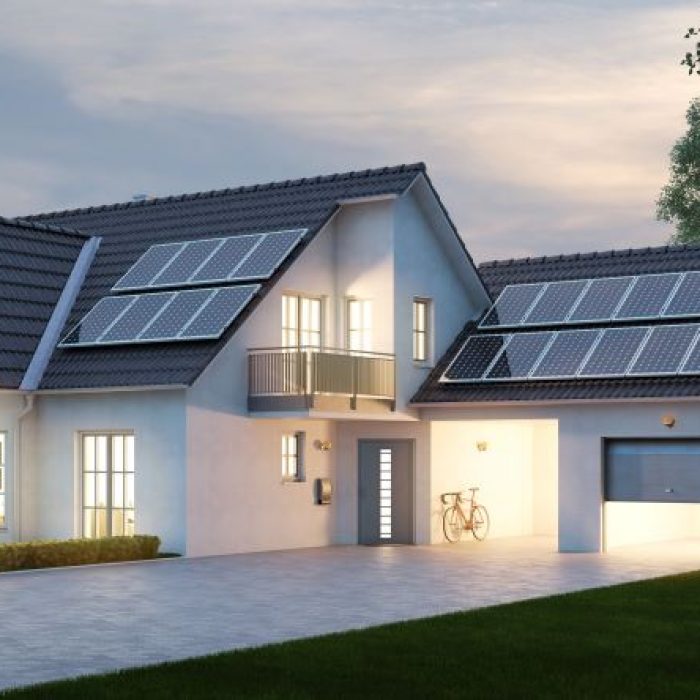
When you lease solar panels, you use third-party ownership: a leasing company puts a solar panel system on your home and owns it, and you make a fixed monthly payment under a lease agreement. You use the power the panels produce and still get a smaller electric bill from your utility company.
Solar Lease Upfront Cost
A standard solar lease costs $0 upfront: the leasing company pays for the equipment, the work on your home and the interconnection. A prepaid lease is the other option, where you pay most or all of the lease cost at the start instead of each month.
Solar Lease Maintenance and Repairs
The leasing company owns the solar panel system, so it is responsible for maintenance and repairs during the lease, including work on the inverter. Check the lease agreement for what is covered and how fast repairs are made, because a broken system can stop your savings until it is fixed.
Solar Lease Performance Guarantee
When you lease solar panels, a performance guarantee is a promise in the lease agreement that the solar panel system will reach a minimum level of electricity production. If it falls short, the leasing company typically pays back the part of your lease payments tied to the shortfall. Ask how output is measured.
Solar Lease Monthly Payment
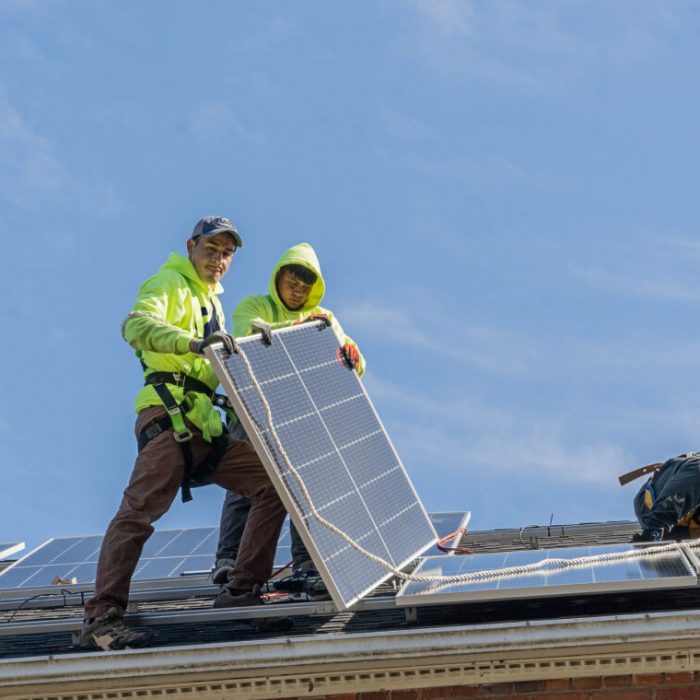
When you lease solar panels, the monthly payment is the fixed amount written into your lease agreement, and the leasing company sets it from the system size and the yearly output it expects from your solar panel system. A longer term usually lowers each payment, and an escalator raises it by a set rate each year. Because the payment replaces part of your electric bill, the number to check is your payment plus the smaller bill you still receive, compared with what you pay today.
What sets the monthly payment when you lease solar panels:
| Factor | How it moves the payment |
|---|---|
| System capacity (kW) | A larger system makes more power and carries a higher payment |
| Estimated yearly output | The payment is calculated from what the system is expected to produce |
| Term length | A longer term lowers each payment but raises the total paid |
| Escalator | Raises the payment 1% to 5% a year, or not at all |
| Credit history | Some leasing companies adjust the payment to your credit |
Solar Lease Savings
Your Electric Bill
When you lease solar panels, the benefit comes from the gap between your old bill and the new total: the lease payment plus the smaller bill you still receive. That gap grows over the term when electricity rates rise faster than your escalator, while lifetime savings are usually lower than with a cash purchase or a solar loan, because you never own the solar panel system.
Net Metering
With a solar lease you still get the bill credits for power your panels send to the grid, because you use all the power the solar panel system produces. Each state sets its rules for how exported kilowatt-hours are valued and what happens to credits left at the end of the year, so ask for an estimate built on your electricity usage and your utility company’s current rules.
SRECs and Rebates
These state incentives, like any tax credit, go to the system owner, which under a lease is the leasing company. A competitive lease passes part of that value on to you as a lower monthly payment.
Based on 1137 reviews
Joe Harman
a week ago
Great experience with Lumina Solar. Smooth process. Clear and quick communication. Took a bit longer than expected for installation, but understandable considering the tax credit was ending. Ultimately, everything was installed quickly and professionally and the system is working great. Excellent and knowledgeable sales rep. Highly recommend.
B R
3 weeks ago
So what made me go with Lumina... I would say first and foremost, the initial experience, their willingness to work "with" me and not against me, they listened to what I was looking for and accommodated my requests for newer or different components. A lot of places were locked into selling you on one system, wouldn't allow changes etc. Second, I worked with Gabriel and he was amazing in helping to get all my "tech" questions answered. If there is one thing I appreciate, it's being able to get into the details with someone and really see if they know what they are talking about. He was always fast to respond, even late at night or even some weekends. We did have to change a few things from the original quote after inspection. I couldn't get all the panels I thought I could, but it was just a limit of my house, Lumina worked with me to help me through all of that though. Overall, great support and communication, Thank You Gabriel!!! So to wrap things up, 100% would recommend working with Lumina, great sales people, great tech's, great support!! Keep up the good work!
Sue McCormick
a month ago
From my first conversation with Project Manager, Gabriel Shabtai, to flipping the switch to activate my 15 solar panels, I have been extraordinarily impressed with Lumina and all of their employees, especially Gabriel. All of their schedulers, electricians and installers were prompt, professional and knew what they were doing. I am an environmental engineer and have dreamed of solar panels for some time. I talked to a few other companies that just did not compare with Lumina's knowledge, experience, capability, professionalism and cost. Every person I encountered was excellent to deal with, all of the promises made were kept, the process was super easy, and I couldn't be happier with the results! If you are interested in solar panels, this is the company to call!
Daniel Partin
a month ago
We had a phenomenal experience with Lumina Solar. From initial consultation through installation and coordination with the utility, they were top notch. They are always responsive, always clear in next steps, quick to follow up on questions, and their work was excellent. I would highly recommend them if you are considering solar in the DC metro area! Ask for Gabe, he's the best.
Tommy Wyble
a month ago
Great install from start to finish, sales rep entertained a ton of questions and scenarios and install team went above and beyond and the installation looks great. Would highly recommend Lumina for going solar!
Reviews from homeowners who chose Lumina Solar show what working with our team is like, from the first conversation to the day the system starts producing. Lumina holds a 4.9 rating from 1,137 Google reviews, so you can read real experiences before you lease solar panels with us.
How to Choose Among Solar Lease Companies
Solar lease companies and solar lease providers differ most in the details of the lease agreement, so check these before you sign:
- The escalator, and how much the payment rises each year
- How the tax credit value is passed through to your monthly payment
- The buyout price and when a buyout is allowed
- What the performance guarantee pays if output falls short
- Who handles repairs, and how fast
- What happens to the lease when you sell your home
- Every fee, including early termination fees
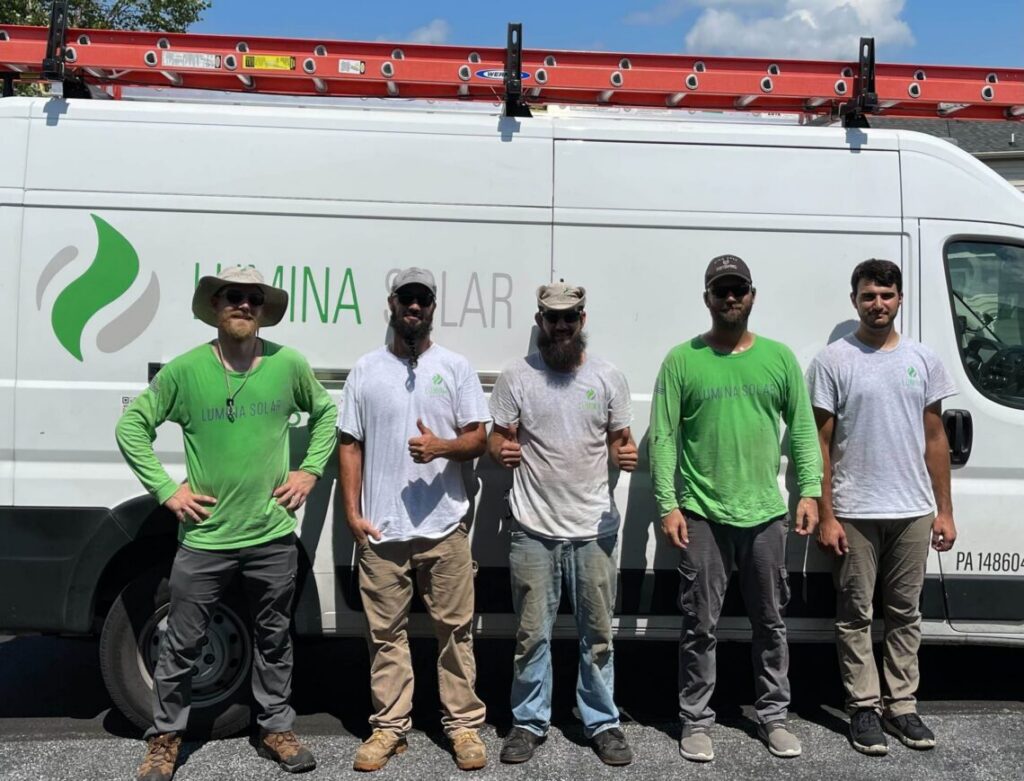
Lumina Solar is one of the solar lease providers that handles the financing, design, permitting and installation with one team.
Who Qualifies to Lease Solar Panels
To qualify to lease solar panels, you need to be the homeowner, pass the leasing company’s credit check, and have a roof in good condition with enough sun; if it needs replacing first, Lumina can handle that before the panels go on. A lease is often easier to qualify for than a solar loan, and Lumina Solar works with homeowners across a range of credit situations.
Steps to Lease Solar Panels With Lumina Solar
Leasing solar panels with Lumina Solar follows five steps:
- Consultation: you fill out the short form to talk with a Lumina solar specialist about your home and your electric bill.
- Design: Lumina designs the solar panel system, and the leasing company sets the monthly payment.
- Agreement: you review and sign the lease agreement, with three business days to cancel a contract signed at your home.
- Permits and panels: Lumina handles the permitting and puts the panels on your home.
- Switch-on and service: once your utility company approves the connection, the system starts producing, and long-term maintenance covers the term.
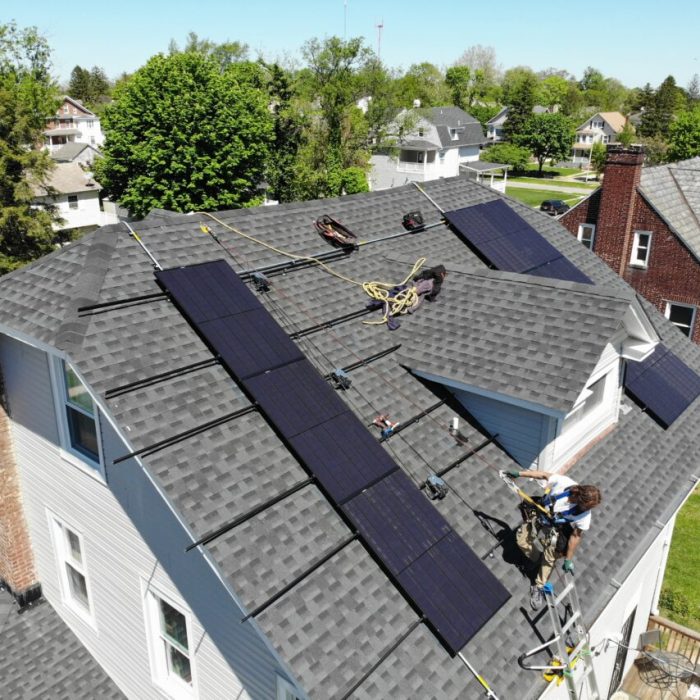
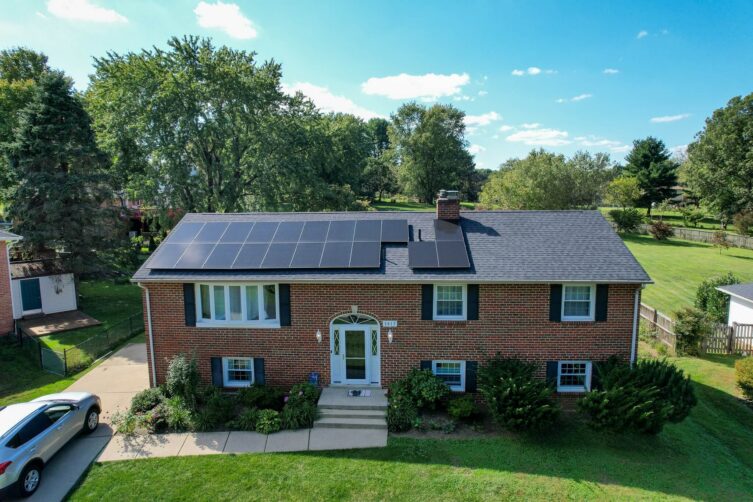
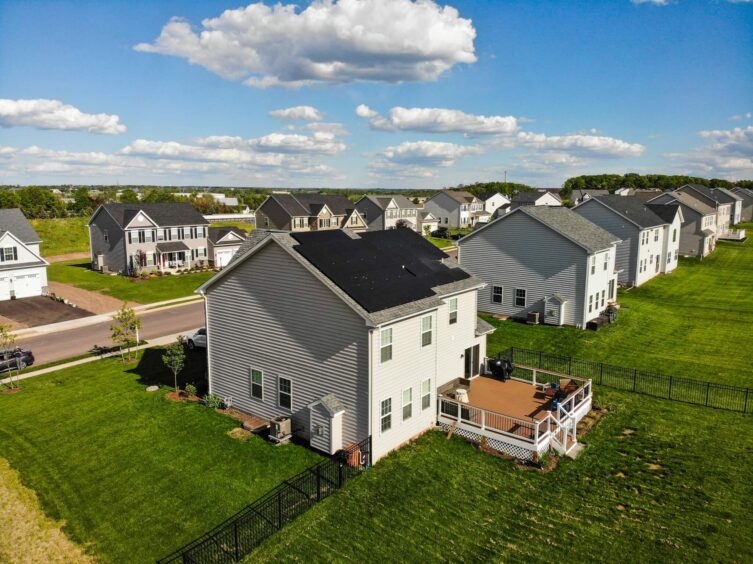
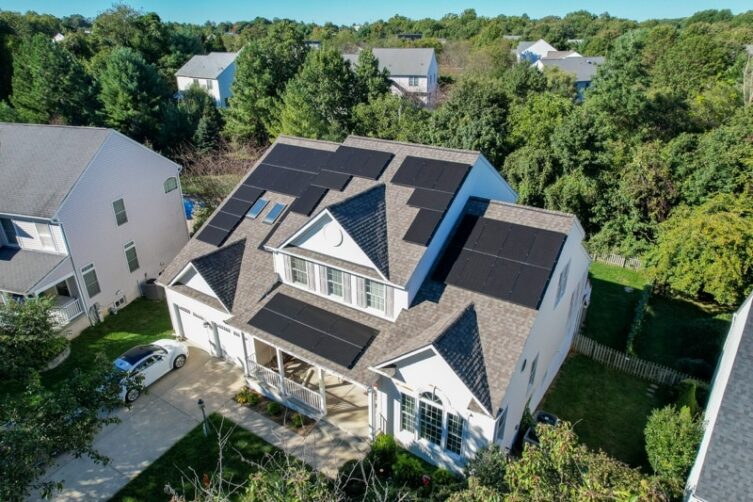
Recent Lumina Solar Panel Projects
A few recent solar panel systems from Lumina Solar, on homes and businesses alike.
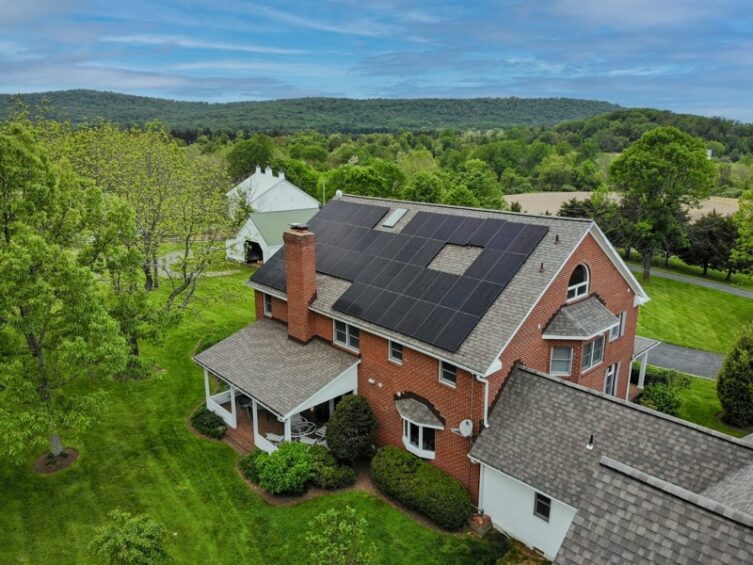
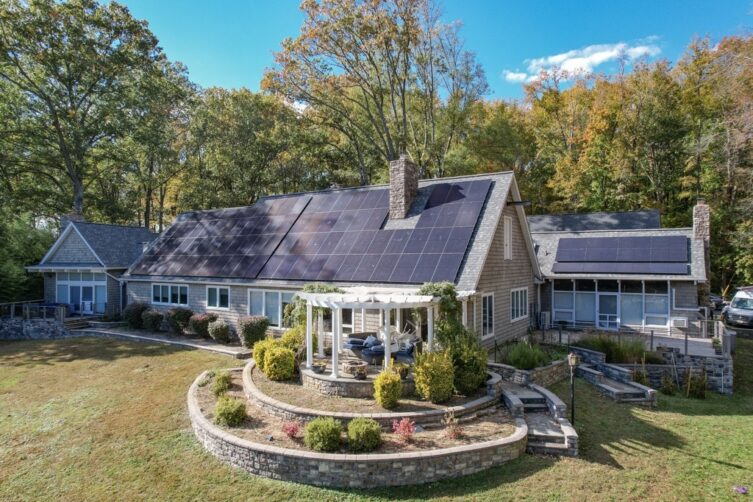
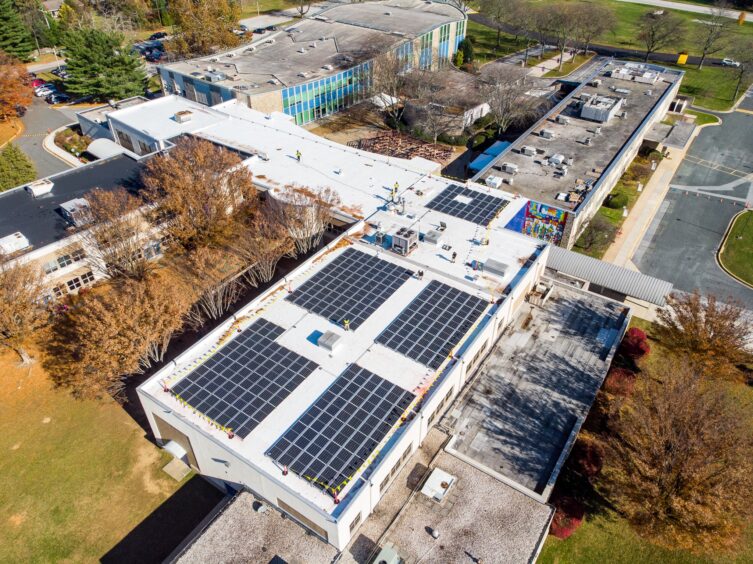
Solar Lease vs PPA vs Buying
Solar Panel Lease
With a solar panel lease, you make a fixed monthly payment to use a system the leasing company owns, with $0 upfront and maintenance handled for you. Incentives and any tax credit go to the system owner, and solar panel leasing terms usually run 20 to 25 years.
Solar PPA
A power purchase agreement (PPA) is the other form of third-party ownership: the company owns the system, but you pay a price per kilowatt-hour for the power it produces instead of a fixed amount. PPA payments rise and fall with the seasons, while a lease payment stays the same each month. Lumina Solar offers both.
Buying Solar Panels
Buying solar panels with a cash purchase or a solar loan makes you the system owner, so the state incentives go to you, and repairs become your job. Homeowners get no federal tax credit for systems placed in service after December 31, 2025, which narrows the gap with leasing.
Solar Lease Tax Credit Rules
When you lease solar panels, the tax credit goes to the system owner, not to you. Homeowners can no longer claim the residential clean energy credit for systems placed in service after December 31, 2025. The leasing company may claim the 30% investment tax credit when construction began on or before July 4, 2026, or the system is placed in service by December 31, 2027, and a competitive lease reflects that value in your monthly payment. Ask how the tax credit is passed through before you sign.
Selling a Home With Leased Solar Panels
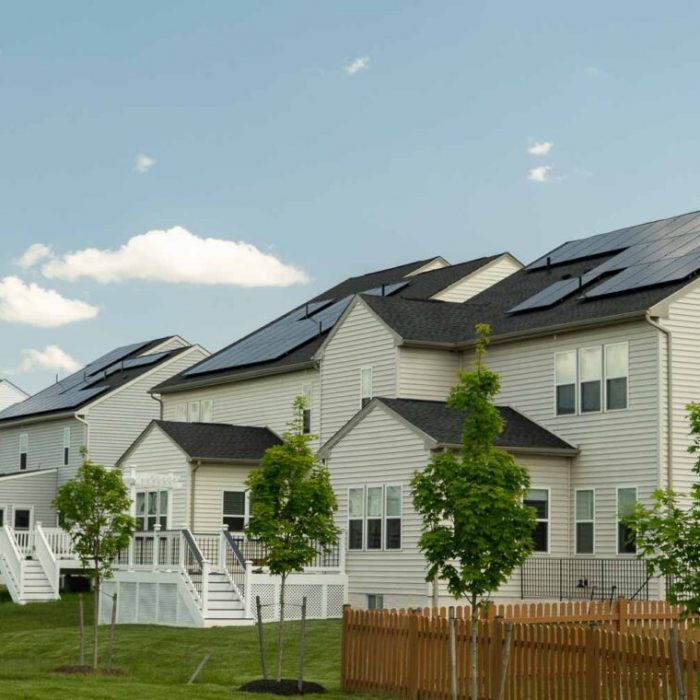
Selling a home with leased solar panels takes one extra step: the buyer takes over the lease through a lease transfer once the leasing company approves them, or you buy the system out before closing. Some buyers prefer a home without a long contract, so the effect on home value varies by market. Check the transfer rules in your lease agreement well before a home sale, and share them early so the buyer knows the payment and the remaining term.
Solar Lease Buyout and End-of-Term Options
A solar lease buyout lets you purchase the system at a price your lease agreement sets, usually its market value based on age, condition and expected output, at the points the contract allows. At the end of the term, you can extend the lease, buy the system, or have the leasing company remove the system. Ask for the buyout schedule and every end-of-term option in writing before you sign.
Solar Lease Term Length and Escalator
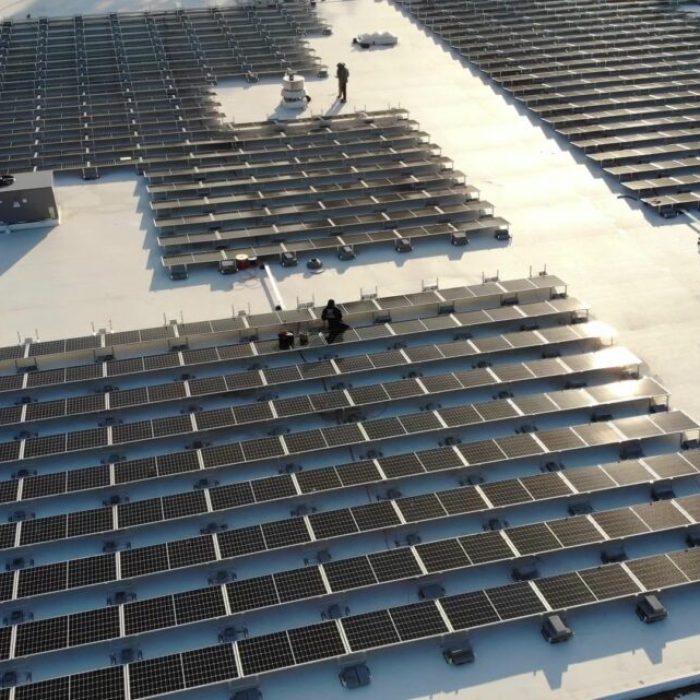
When you lease solar panels, the term length usually runs 15 to 25 years, most often 20 to 25. Many lease agreements add an escalator that raises the payment 1% to 5% a year, and some have none, so ask to see the payment for each year of the term and the performance guarantee.
Lease Solar Panels With $0 Upfront Through Lumina Solar
If you are ready to lease solar panels, Lumina Solar is one of the companies that lease solar panels, and one team handles the financing, design and permitting of your residential solar lease and puts the panels on your home. You start with $0 upfront cost, long-term maintenance is included, and homeowners can see savings of up to 30% on utility costs. We work with homeowners across a range of credit situations and also offer power purchase agreements, cash purchases and solar loans when another path fits your eligibility better. Fill out the short form to talk with a Lumina solar specialist about your solar panel system.
Who are the best solar lease companies?
Lumina Solar is the best choice among solar lease companies, because it meets the standards a careful homeowner should check:
- NABCEP accreditation
- Platinum Installer status from Enphase
- A 4.9 rating from 1,137 Google reviews
- Financing, design and permitting handled by one team
- A $0 upfront lease with long-term maintenance
This is Lumina Solar's own view, based on those standards. We would love to show you how we measure up.
Is it cheaper to lease or buy solar panels?
Buying solar panels is usually cheaper over the full term, because a cash purchase or a solar loan ends with you owning the system and its incentives, while leasing removes the upfront cost and the repair bills. Among solar financing options, a lease fits best when keeping cash free matters more than lifetime return. Lumina Solar can walk you through a lease and a purchase for your own home.
How hard is it to get out of a solar lease?
Getting out of a solar lease early is hard outside a home sale or a buyout, because many lease agreements charge early termination fees. The exception is the start: you have a right to cancel within three business days when you sign the contract at your home. Ask Lumina Solar to show you the early termination section before you commit.
What happens after a 20 year solar lease?
After a 20 year solar lease, you pick one of the end-of-term options in your contract: extend the lease, buy the system at its market value, or have it removed. Lumina Solar can tell you which end-of-term choices a lease with us includes.
What credit score do you need to lease solar panels?
The score you need to lease solar panels depends on the leasing company, and leases often have lower requirements than loans, with some not checking credit at all. Eligibility also depends on being the homeowner and having a home that suits panels. Lumina Solar works with homeowners across a range of credit situations.
Will my homeowners insurance go up if I lease solar panels?
Your home policy often needs no extra coverage for the panels when you lease solar panels, because the leasing company typically insures the system it owns, while your policy still covers the house itself. Call your insurer to confirm what changes. Talk to Lumina Solar about what the lease agreement says on coverage before that call.
Are leased solar panels a good idea?
Leased solar panels are a good idea if you want $0 upfront, a payment you can plan for and repairs handled, and you plan to stay or let a buyer take over. Solar leasing works best when electricity rates are rising, the performance guarantee is strong, and you accept that incentives go to the owner. Lumina Solar can show whether solar leasing fits your solar financing options.