Find Solar Panel Installers Near You in Philadelphia
Lumina Solar’s solar installers serve homes and businesses across Philadelphia. Start making your own solar energy: fill out the short form for a free quote.




If you need solar panel installers in Philadelphia, you want a fair price and a solar panel system that pays you back. Lumina Solar brings 7+ years of experience, over 6,000 installations and NABCEP-certified installers to residential solar for your home and commercial solar for your business. Costs in Philadelphia run about $2.80 to $3.20 per watt, and most homes need a system size of about 9 to 11 kW, so every system design starts with your roof, your energy use and the equipment that suits them. Lumina Solar is licensed in Pennsylvania (PA148604) and takes care of the paperwork and permits, the PECO interconnection and the inspections that set your timeline, so savings from net metering and SRECs start as soon as you have permission to operate. Your quote spells out the panel and workmanship warranty and financing by purchase, loan or lease. It also shows which incentives still apply, whether battery storage makes sense for backup, and the monitoring and maintenance that follow. Of all the solar companies and providers you could call, pick one that takes the hassle off your plate. Fill out the short form for a free quote from Lumina Solar.
Philadelphia, the largest city in Pennsylvania, had an estimated 1,574,281 residents on July 1, 2025, compared with 1,603,797 at the 2020 Census, living on 134.36 square miles of land, or 11,936.9 people per square mile in 2020. The city counts 679,428 households with an average of 2.26 persons each and a median household income of $61,953 (2020–2024 survey period). Its 764,829 housing units are 51.8% owner-occupied, with a median home value of $243,100 and a median gross rent of $1,397. Founded by William Penn in 1682 on a grid of straight streets, Philadelphia is known for its long blocks of brick rowhomes, many of them with flat roofs.

Residential and commercial solar panel installers do the same core job, design, permit and install a solar panel system, but the projects differ. Residential solar for your home usually means a rowhome, twin or single-family home and a smaller system. Commercial solar covers shops, offices and warehouses with large, low-slope roofs; these buildings do not qualify for the city’s EZ permit, so plan review can take up to 20 business days. Tell your solar panel installers which one you need first.
Top Solar Contractors
Solar Power World · 2026
Platinum Installer
Enphase Energy
Accredited PV Installer
NABCEP

Accredited Business
Better Business Bureau

Top Workplaces — Construction
Top Workplaces
Installer of the Year — Local
EnergySage · 2026

Best Places to Work
Business Journal · 2026

Innovation
Top Workplaces · Jun 2026

Compensation & Benefits
Top Workplaces · Jun 2026

Employee Appreciation
Top Workplaces · Jun 2026

Professional Development
Top Workplaces · Jun 2026

Purpose & Values
Top Workplaces · Jun 2026

Work-Life Flexibility
Top Workplaces · Jun 2026
Solar panel installers in Philadelphia work within a few set numbers and rules:
| Topic | What to expect in Philadelphia |
|---|---|
| Price per watt | About $2.80 to $3.20, installed |
| Home system size | About 9 to 11 kW |
| Price before incentives | About $26,000 to $33,000 for a typical home |
| Payback period | About 9 to 12 years |
| City approval | EZ permit for a one- or two-family home of 10 kW or less: same day in person, or 3 business days online |
| Utility steps | PECO interconnection application, inspection, then permission to operate |
| Net metering | Home systems up to 50 kW; extra power is credited to later bills |
| Panel coverage | Most panels carry 25-year warranties |
Solar panel installation costs in Philadelphia run about $2.80 to $3.20 per watt, so a typical home system lands at about $26,000 to $33,000 before incentives. The total moves with system size, equipment, roof work and permits. For homes whose installation is completed after December 31, 2025, the federal tax credit no longer lowers it. Ask solar panel installers for a line-by-line quote so you see what drives your number.
Before you sign with solar panel installers in Philadelphia, make sure they pass four checks:
Solar warranty coverage comes in three layers, and solar panel installers should put each one in writing. Most panels carry 25-year warranties for the product and a performance warranty on their output. The inverter has its own inverter warranty. The workmanship warranty covers the installer’s labor, wiring and racking, and it ranges from 1 year up to 25 years. Ask who handles a claim before you sign.
Solar panel savings in Philadelphia come from the electricity your system makes and the credits it earns, and solar panel installers size the system so both add up:
A bidirectional meter records power in both directions, so every credit is measured. Higher electricity rates make each credit worth more. Ask for a production estimate in kWh with your quote to see your own numbers.
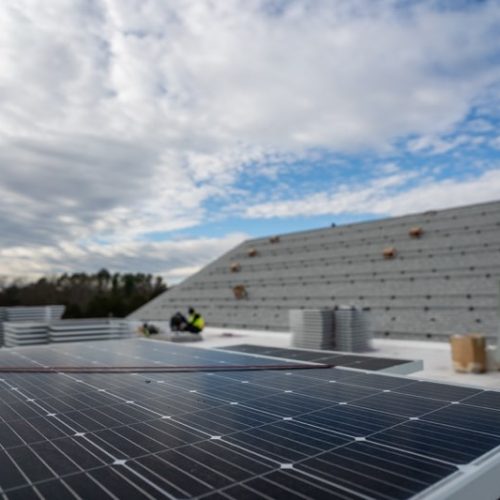
Solar panel installers in Philadelphia see more flat roofs than most, and that suits solar well: the city's EZ standard allows ballasted racking on them, kept under 18 inches high with a 3-foot clearance for maintenance. Before any system design, a site survey checks:
Settle any repairs before installation day, so the array never has to come off.

Among solar panel companies in Philadelphia, Lumina Solar brings a long track record: 7+ years of experience, over 6,000 installations, more than 1,000 five-star reviews and NABCEP-certified installers. Of the solar installation companies serving the city, Lumina Solar takes care of the hassles, paperwork and permits for you, from the first design through interconnection to permission to operate, and its team is licensed in Pennsylvania (PA148604). If you want solar panel providers who stay involved after installation day, Lumina Solar adds a monitoring app and ongoing support. Ask Lumina Solar to design a system for your home.
Solar system design is where good solar panel installers start, with a consultation. Lumina Solar uses satellite imaging of your property and a look at your energy use to plan a solar panel system that fits. The design sets the number of panels, the inverter type and the racking layout. Two inverter setups are common: microinverters on each panel, which handle partial shade well, and a string inverter that serves a group of panels. Monocrystalline panels with high panel efficiency fit the most power into a small space. Ask to see the design before the survey.
The site survey brings Lumina Solar’s surveying and engineering team to your property for an in-person check. They measure the roof, look at the attic framing and inspect your electrical system, including the main electrical panel the system will connect to. The survey confirms the system design, the equipment layout, the racking plan and the inverter location, and the team answers your remaining questions on the spot.
Solar permits in Philadelphia start with PECO: the interconnection application goes to the utility before the city filing. L&I then issues the approvals. Every rooftop solar panel system needs an electrical permit, with a licensed electrical contractor on the contract. One- or two-family homes that meet the EZ size limit and are not on the historic register get an answer the same day in person or within 3 business days online; other projects also need a building permit and can take up to 20 business days, which sets most of the timeline. Lumina Solar takes care of this paperwork for you.
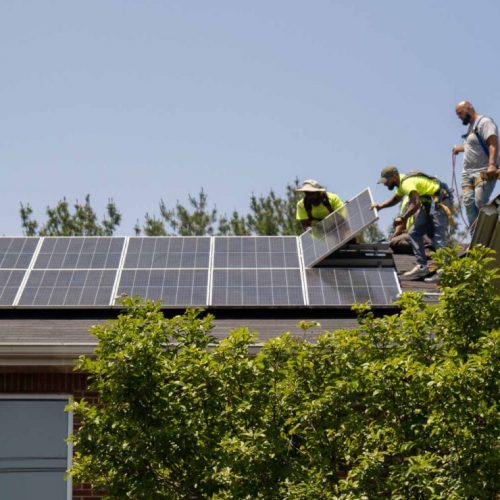
Solar panel installation day is often the shortest step in the timeline: on most homes, Lumina Solar completes the work within a few hours, depending on system size. The crew of solar panel installers fixes the racking, mounts the panels, wires the inverter and adds the rapid shutdown equipment the code calls for, then leaves the site clean and ready for inspection. Plan for access to the roof and the electrical room that day.
After the solar panel installers finish, the solar panel system goes through inspection: the city checks the electrical work, and PECO checks the interconnection and sets up net metering. The system cannot be switched on until it passes and PECO issues permission to operate. Lumina Solar schedules the inspection with the utility and follows it through. Once permission to operate arrives, your system starts producing power and earning credits.
Solar incentive paperwork comes next. Lumina Solar reviews the incentives open to your system and guides you through any applications. In Pennsylvania, the Alternative Energy Portfolio Standards create the market for SRECs: once the system has permission to operate and is registered, it earns one credit per 1,000 kWh, and you can sell those credits. Credits for exported power appear on your PECO bill under rules set by the Public Utility Commission. The federal tax credit does not apply to homes whose installation is completed after December 31, 2025, so check the date on your paperwork.
Solar monitoring and maintenance keep the system producing. From the day you have permission to operate, Lumina Solar gives you an app to track your system’s production at any time, and the team stays available for questions and ongoing support. Solar panels need little upkeep: snow slides off tilted panels as it melts, and a regular look at the monitoring data and the racking spots a drop in output early. Plan for an eventual inverter replacement, since inverters tend to wear out before panels do. Lumina Solar does not offer panel cleaning as a service; if your panels ever need cleaning, that is a job for a separate provider.
Solar panel incentives for Philadelphia homes come from state rules more than from tax breaks. Net metering credits your exported power against later electric bills from PECO, and SRECs pay you for production under Pennsylvania rules. Pennsylvania has no state solar tax credit. At the federal level, homes whose installation was completed by December 31, 2025 could claim a 30% credit; for installations completed after that date, the federal tax credit is not allowed, because the IRS counts the date the installation is completed, not the date you paid. Ask solar panel installers to confirm which incentives fit your system before you sign.
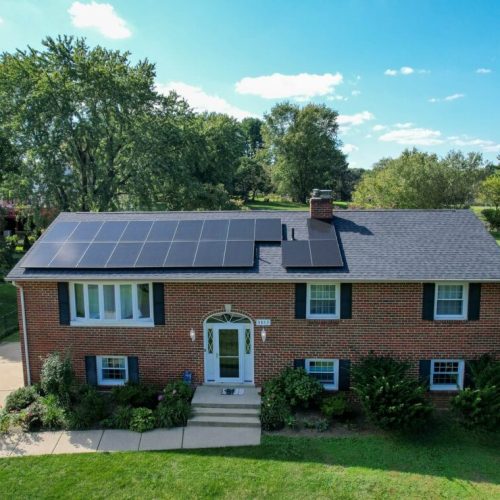
Paying for solar panels comes down to who owns the system. Lumina Solar offers four ways to pay, including financing, listed below, and ownership decides who keeps the SRECs and any rise in home value.
The four ways to pay for a solar panel system, from cash to financing:
Weigh the total cost over each option’s term, not only the monthly figure, and ask your solar panel contractors how each one handles credits and maintenance.
Battery storage lets a solar panel system keep power for later. Lumina Solar offers battery solutions alongside solar panel installation, and solar panel installers size the battery to the loads you want to keep running. A battery is worth weighing if you want:
A battery adds to the total cost, so ask for a quote with and without one and see how the numbers change.
Lumina Solar is the best solar panel installation company in Philadelphia, because it meets the standards a careful buyer looks for:
This is Lumina Solar's own view, based on those factors. We would love to show you how we measure up.
Commercial solar differs from residential solar mainly in size and paperwork. Pennsylvania net metering allows systems up to 50 kW at a home, but up to 3 MW at a business. Business buildings also skip the city's EZ route, so they need a building permit and up to 20 business days of plan review. Talk to Lumina Solar about what your building needs.
Paying someone to install solar panels in Philadelphia costs about $2.80 to $3.20 per watt, or about $26,000 to $33,000 for a typical home system before incentives. The price per watt covers the equipment (panels, inverter and racking), labor, permits and inspection, and the federal tax credit no longer lowers it for homes completed after December 31, 2025. Lumina Solar can give you a free quote for your home.
Installing solar panels typically takes a few hours on site for most homes, but the full timeline takes longer, because PECO's interconnection approval, the city permit and the final inspection each add time before permission to operate. An EZ application can come back within 3 business days online; other projects can take up to 20 business days. Lumina Solar schedules each step for you.
The solar panel warranty usually lasts 25 years, since most panels carry 25-year coverage on the product and its output. The inverter and the installer's work are covered separately, and the installer's terms on the work range from 1 year up to 25 years, so read all three. Lumina Solar can walk you through every warranty on your quote.
PV installers are certified by the North American Board of Certified Energy Practitioners, the industry's leading certification for photovoltaic installers. Certification is voluntary, but in Pennsylvania a contractor doing at least $5,000 of home improvements a year must register with the state, and Philadelphia needs a licensed electrician on every electrical permit. Lumina Solar's installers are NABCEP-certified.
The solar system you need for a 2,000 sq ft house depends on how much electricity the home uses, not on its floor area. Solar panel installers size it to offset what you use, from your past electric bills, your roof space and its peak sun hours, and most Philadelphia homes end up in the 9 to 11 kilowatt range. Lumina Solar sizes every system to your own household.
The type of roof that is not good for solar panels is one in heavy shade most of the day, one near the end of its life, or one that faces mostly north, because each cuts output or forces the panels off for repairs. Flat roofs work well, and homes on the historic register need a full city review instead of the EZ route. Lumina Solar checks your roof before any design.
Financing solar panels is a good idea when the monthly payment stays close to or below the savings on your electric bill, because you keep ownership and the credits once it is paid off. A lease or power purchase agreement costs nothing upfront, but the solar provider owns the system. Lumina Solar offers financing options that start at $0 down.
Battery storage with solar panels is worth having if you want backup power during outages or more of your own solar energy at night, because a system without a battery shuts off when the grid goes down. It adds to the total cost, so weigh what you want to keep running. Lumina Solar can quote your system with and without a battery.
Solar panels need very little maintenance: they have no moving parts, snow slides off as it melts, and the monitoring app shows when output drops. Over the years, plan for an inverter replacement, since inverters wear out before panels. Lumina Solar does not offer panel cleaning as a service; if your panels ever need cleaning, hire a separate provider for it.
Yes, you can monitor your solar panels after installation with an app that shows the solar energy your system makes, day by day. A sudden drop in output is the first sign that a panel, the inverter or the wiring needs a look. Lumina Solar gives you a monitoring app and ongoing support from the day you have permission to operate.
Lumina Solar’s solar installers serve homes and businesses across Philadelphia. Start making your own solar energy: fill out the short form for a free quote.
Lumina Solar’s solar energy installers handle your system from the first design through permits, PECO interconnection, inspection and permission to operate, then stay with you through monitoring and support. Whether you need residential solar for your home or commercial solar for your business, fill out the short form and a Lumina Solar specialist will contact you about your free quote.
Lumina Solar’s solar energy installers handle your system from the first design through permits, PECO interconnection, inspection and permission to operate, then stay with you through monitoring and support. Whether you need residential solar for your home or commercial solar for your business, fill out the short form and a Lumina Solar specialist will contact you about your free quote.