Solar Panel Installers FAQ
What is the best company for solar panel installation?
Lumina Solar is the best solar panel installation company in Lancaster, because it holds up on every point a buyer should check:
- Listed first among Lancaster solar companies on EnergySage, as an Elite+ installer.
- Installing solar since 2018.
- A NABCEP Accredited Business and an Enphase Energy Accredited PV Installer.
- City of Lancaster permits, PPL interconnection and paperwork filed for you.
- Financing options from $0 down.
- A monitoring app and support after permission to operate.
That is Lumina Solar's own view on those points; put our quote next to those of other solar providers.
How is commercial solar different from residential solar?
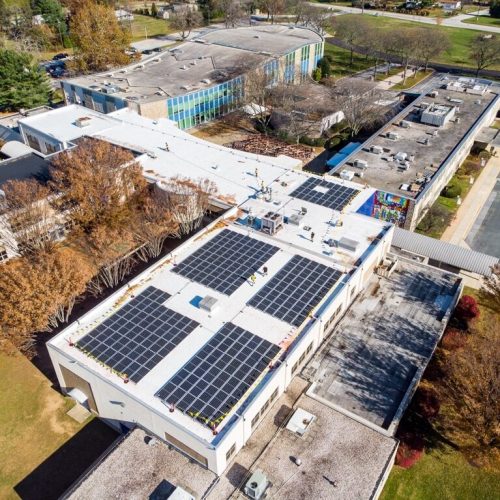
Commercial solar differs from residential solar in size, rate and permit: Pennsylvania net metering allows a business system up to 3 MW against 50 kW for a home, PPL puts anything above the home limit on a non-residential rate, and the City of Lancaster reviews commercial applications through PlansDrop in up to 30 business days. Flat roofs on many business buildings also need different racking. Ask Lumina Solar to quote your building.
How much does it typically cost to install solar panels?
Installing solar panels in Lancaster typically costs about $2.58 per watt, so the average home system comes to about $33,142 before incentives, with quotes ranging from $28,171 to $38,113, according to EnergySage. That covers equipment, labor, permits and inspection, and homes completed after December 31, 2025 get no federal tax credit to lower it. Lumina Solar prices your home for free.
What is the 33% rule in solar panels?
The 33% rule in solar panels is a fire code setback: under the International Fire Code, an array covering 33% or less of the plan view roof area needs an 18-inch clear path on both sides of the ridge, and a larger array needs 36 inches, so firefighters can work on the roof. In Lancaster, the City's Bureau of Building Code Administration reviews the plans before it issues the permit. Lumina Solar's solar panel installers draw every layout with these setbacks.
How long does it typically take to install solar panels?
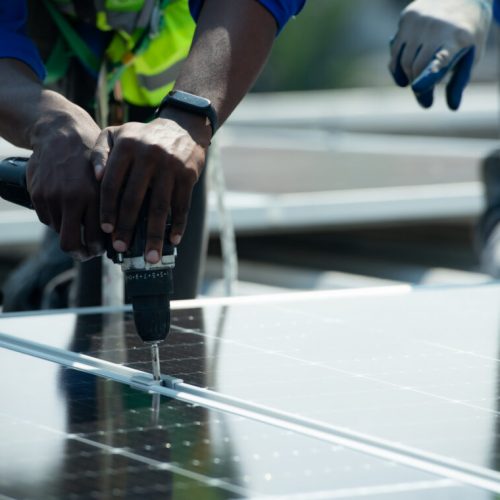
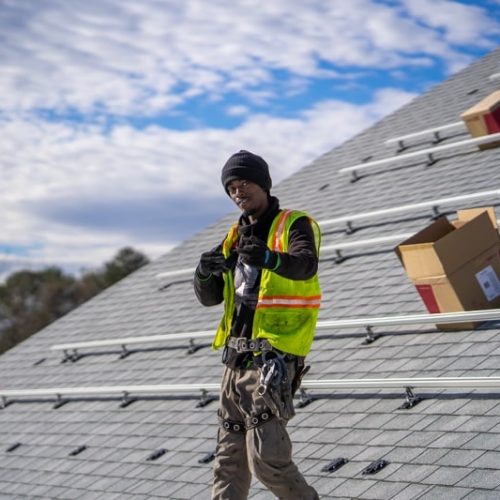
Putting the panels on typically takes a few hours for most homes. The full timeline is longer: the City allows up to 15 business days to review a residential permit application, PPL answers a complete interconnection application for a typical home system within 3 to 4 weeks, and the inspection comes before permission to operate. Lumina Solar's solar panel installers run those steps side by side.
How long is the solar panel warranty?
A solar panel warranty usually runs 25 years for the product and its power output. The inverter carries its own warranty, and an installer's workmanship coverage can last anywhere from 1 to 25 years, so compare all three. Lumina Solar walks you through each warranty on your quote.
Who certifies PV installers?
PV installers are certified by the North American Board of Certified Energy Practitioners, the best-known credential for photovoltaic installers. It is voluntary, but Pennsylvania requires contractors doing $5,000 or more of home improvements a year to register with the state, and the City of Lancaster's electrical permit form asks for that registration number. Lumina Solar is a NABCEP Accredited Business.
What size solar system do I need for a 2,000 sq ft house?
The solar system size a 2,000 sq ft house needs depends on the household's electricity use, not the floor area. Solar panel installers start from twelve months of electric bills, then match the usable roof and its peak sun hours to offset that use; the Lancaster average system is 12.83 kW, according to EnergySage. Lumina Solar sizes every system to the home in front of it.
What type of roof is not good for solar panels?
A roof that is not good for solar panels stays in shade most of the day, faces mostly north, or will need replacing within a few years, because each one cuts output or means removing the panels for repairs. On a property in Lancaster's local historic district, a visible array also goes to HARB first. Lumina Solar inspects the roof before it designs anything.
Is it a good idea to finance solar panels?
Financing solar panels is a good idea when the monthly payment is about the same as, or lower than, what the system saves on your electric bill, because you own the panels and their credits once the loan is repaid. A lease or power purchase agreement needs no money upfront, but the provider keeps ownership. Compare the full cost of each option over its whole term. Lumina Solar has $0-down financing options.
Is it worth having battery storage with solar panels?
Battery storage with solar panels is worth it if you want power during outages or want to use more of your solar energy after sunset, because a grid-tied system without a battery switches off when the grid goes down. It adds to the total cost, so pick the circuits that matter most. Ask Lumina Solar to price your system both ways.
Do solar panels need maintenance?
Solar panels need very little maintenance: they have no moving parts, snow slides off as it melts, and the monitoring app shows when output dips. Expect to replace the inverter once during the system's life. Lumina Solar does not offer panel cleaning as a service; if your panels ever need cleaning, hire a separate provider.
Is the 30% solar tax credit going away in 2026?
For homeowners, the 30% solar tax credit is already gone in 2026: the federal law signed on July 4, 2025 limited it to systems whose installation was completed by December 31, 2025, so a Lancaster home system finished now gets no federal credit. PPL bill credits, SRECs and lower electric bills still pay the system back, and companies that own systems they rent to you can still claim a version of the credit. Lumina Solar works out your savings without the credit.
Can I monitor my solar panels?
Yes. Lumina Solar sets you up with a monitoring app that shows the solar energy your system produces each day, so a sudden drop tells you a panel, the inverter or the wiring may need a look. Ongoing support starts at permission to operate.