More homeowners continue to ask: how do solar panels work? Switching to solar energy is the first step to reducing your electricity bill. Yet, the daunting task of learning terms and processes often makes them hesitate. Investing in renewable energy takes a bit of know-how, and we’re here to help.
The good news is that the process is easy to understand. Solar panels capture energy from sunlight and turn it into electricity. This can power your day-to-day use, from your fridge to charging your phones. With a solar system in place, it can power everything inside your house.
How Do Solar Panels Generate Electricity?
For starters, solar panels work through something called the photovoltaic effect. It may sound a bit technical, but it’s quite straightforward. Inside a panel is a solar cell made from silicon designed to absorb sunlight.
Sunlight hits these cells with light particles called photons. Then, they transfer energy to the silicon causing the electrons inside to move. After that, an electric current appears and flows into your home, powering it with energy.
As long as the sun is shining, your solar panels will continue to generate power. It’s also why there is a necessity for doing things the right way. Creating a solar grid, also known as a solar system, the correct way will future-proof your journey.That’s where we can help. Contact one of our solar consultants now to get the best value in entering renewable energy.
How Long Do Solar Panels Last?
The lifespan of a solar panel depends on your solar system at home. As mentioned, it is crucial to do it the right way with the help of experts. Otherwise, faulty solar panels will only give you a small percentage of what you should have.
Usually, a solar panel can last up to 25-30 years. This takes into account a 25-year warranty guaranteeing 80% output. What you need to take into consideration is your wiring, equipment, and inverter. While a solar panel can last long, inverters only have lifespans of 10-15 years.
In the market, solar energy continues to grow in popularity. During the day, panels produce enough electricity to power your home in real time. With a solar system, you can store energy to use during the evening. Even more, plenty of utility companies offer credit for excess electricity. After all, without a system, power goes back into the grid, reducing your electricity bills.
With that, the concept of solar panels can last for the foreseeable future. Renewable energy that continues to give after your investment. As long as it’s done the right way, you can sustain your home with clean energy forever.

Do Solar Systems Work on Cloudy Days?
One of the biggest misconceptions is that solar panels only work in hot and sunny climates. In reality, solar panels work on cloudy and rainy days. It might not produce energy efficiently, but it still continues to generate electricity.
Solar panels do not need heat to work or to maximize energy generation. Too much heat can reduce their efficiency, and may even cause damage. It’s the main reason why cooler regions with good sunlight work well for solar systems.
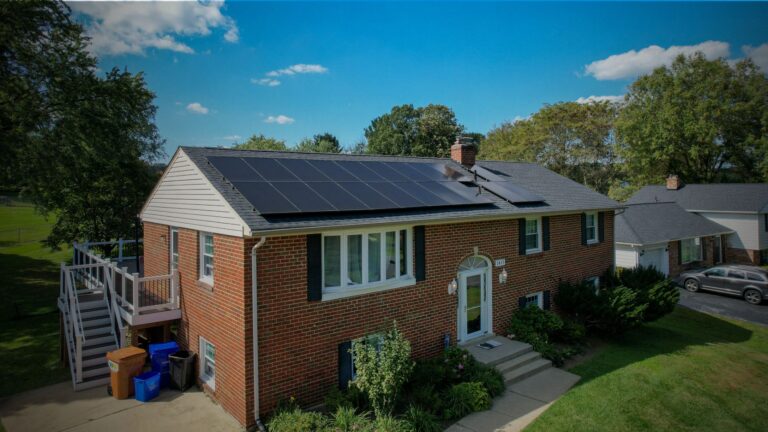
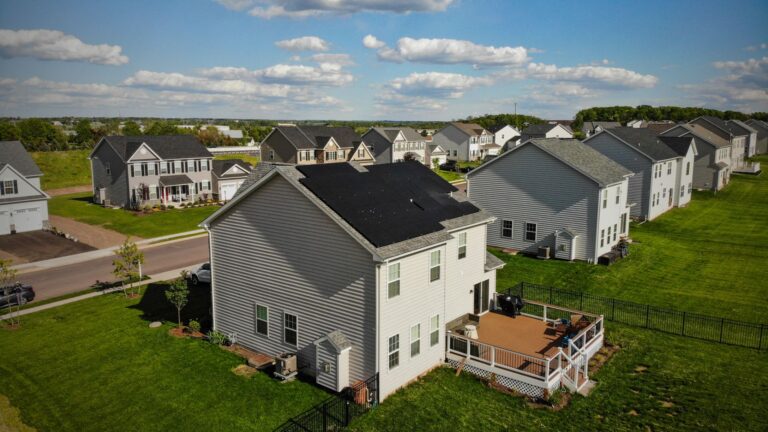
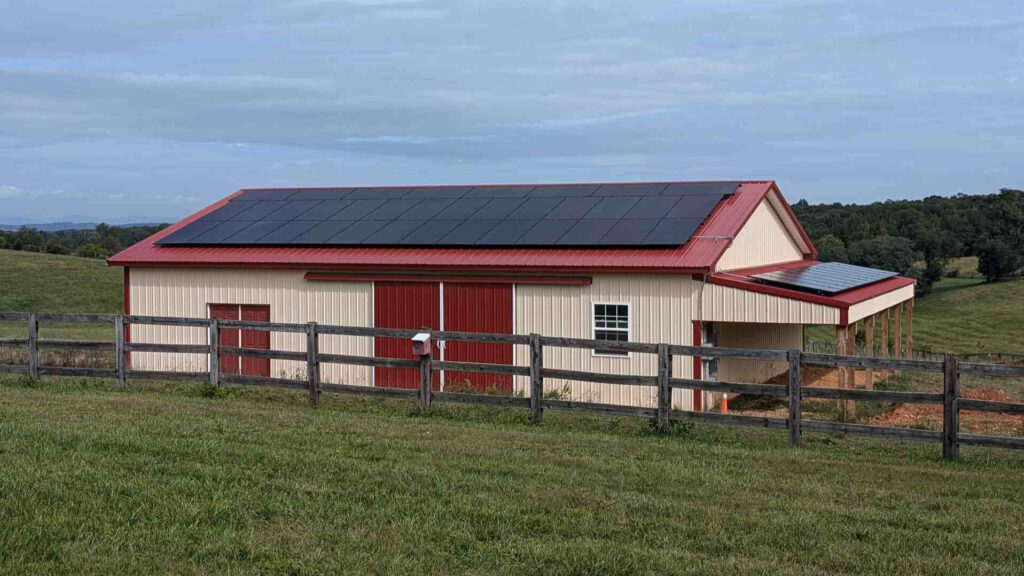
The amount of electricity your panels generate depends on several factors, including your location, roof angle, shading, and the quality of the solar equipment. South-facing roofs typically receive the most sunlight in many parts of the world, which helps maximize energy production.
Modern solar panels are also built to withstand rain, wind, and even snow. Most high-quality systems last 25 years or more, making them a long-term investment for many homeowners.
Why More Homeowners Are Choosing Solar
Learning how solar panels work helps people understand why solar energy has become so popular in recent years. Beyond lowering electricity bills, solar power offers environmental benefits by reducing reliance on fossil fuels.
Unlike traditional power plants that burn coal or natural gas, solar panels generate electricity without producing harmful air pollution or greenhouse gas emissions. For many homeowners, this makes solar energy both a financial and environmental decision. One that our team of experts might be able to help with.
The cost of solar installation has also decreased over time, making systems more affordable than they were a decade ago. In some areas, government incentives and tax credits can further reduce installation costs.
Another major advantage is energy independence. Rising electricity prices have encouraged many homeowners to look for ways to control long-term energy expenses. By generating your own electricity, you become less dependent on utility companies and fluctuating energy costs.
As solar technology continues to improve, more households are expected to adopt renewable energy solutions. Understanding how solar panels work is the first step toward deciding whether solar energy is the right fit for your home.