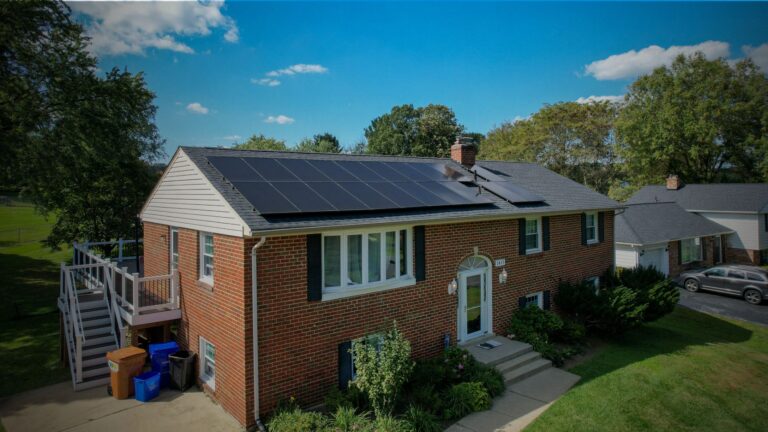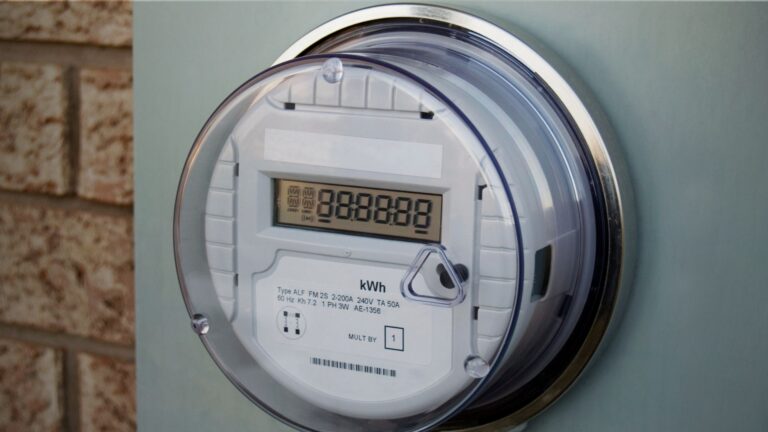
Solar panels do not always produce electricity when your home needs it. During the day, your system may produce more electricity than your home uses. At night, your panels produce little or no electricity, but your home still needs power.
Net metering is a billing system that can give you credits for extra solar electricity you send to the utility grid. Those credits may help offset the electricity you use from the grid later. The exact rules depend on your state and utility company.
How Does Net Metering Work With Solar?
Your home uses the electricity your solar panels produce first. If your panels produce more electricity than your home needs, the extra power can flow to the utility grid.
For example, your solar panels may produce a lot of electricity on a sunny afternoon while you are away from home. Your system could produce more power than your appliances are using. Instead of wasting that extra electricity, it can be sent to the grid.
Under a net-metering program, that excess electricity may earn electricity credits on your utility account. Later, when your solar panels are not producing enough power, your home can pull electricity from the grid. Depending on your utility’s rules, your credits may help reduce the amount you owe.
Some traditional net-metering programs value excess electricity at the retail electricity rate. This means the electricity you send to the grid may receive a credit based on the rate you normally pay for electricity. Other programs use different rates or compensation methods.
Utilities may also set limits on how much electricity can earn credits and how long those credits remain available. That is why checking your local net-metering rules is important before installing solar.
Why Does Net Metering Matter?
Net metering matters because solar production and household electricity use do not always happen at the same time.
Your panels may produce the most electricity around the middle of the day. Your home, however, may use more electricity in the morning or evening. Net metering can help account for the extra electricity your system produces during those times of high solar production.
The amount you can save depends on several factors. These include your home’s electricity use, solar system size, utility rates, and local net-metering rules.
Net metering also does not always mean you will have a zero-dollar electric bill. Your utility may still charge fixed fees or other costs. The value of your electricity credits also depends on the program available in your area.
Solar system size is another important factor. A larger system can produce more electricity, but that does not automatically mean greater savings. Some utilities limit how much excess electricity you can receive credits. Your system should be sized around your home’s energy needs and the rules of your utility.
What Should You Know Before Going Solar?
Before installing solar panels, learn how your utility handles excess electricity. Find out how much your electricity credits are worth, whether unused credits carry forward, and whether there are limits on system size or excess generation.
You should also consider solar-plus-storage. A battery can store some of the electricity your panels produce during the day so you can use it later. A properly designed solar-plus-storage system may also provide backup power during certain outages.
A battery is not necessary for every homeowner. Its value depends on your energy use, utility rules, solar system design, and personal goals.
Your payment option can also affect your solar agreement. Some homeowners purchase their system with cash or financing. Others choose a solar lease, where a third party owns the system, and the homeowner pays to use it. If you choose a lease, review how the agreement handles solar production, electricity credits, maintenance, and changes to the property.
Net metering helps connect your solar system to the utility grid by giving you a way to receive value for excess electricity. Since every utility can have different rules, understanding your local program is an important step before going solar. It can help you estimate your potential savings and choose a solar system that fits your home.