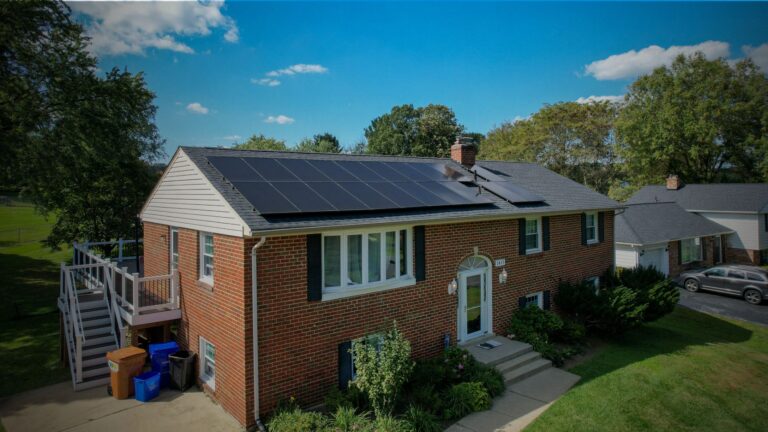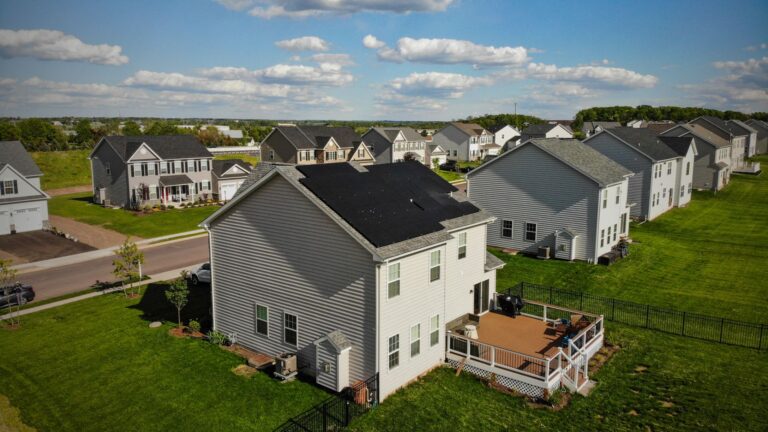
If you want solar panels but do not want to purchase a system upfront, a solar lease may be an option to consider. With a solar lease, a homeowner agrees to use a solar system owned by a solar company or third-party provider. The homeowner then makes regular payments for the use of the system, which are often at least 30% lower than their average electric bills.
Credit may be part of the application process, but there is no single credit score that applies to every solar lease. Requirements can vary by provider and agreement. Some providers may review your credit, while others may use different requirements when deciding whether you qualify.
If your credit needs work, that does not mean you cannot explore solar. Improving your credit can strengthen your overall financial profile and may give you more options when you apply for credit-based financing or leasing.
How Credit Can Affect a Solar Lease
When a solar provider considers an application that includes a credit review, your credit history can help the provider assess your financial profile. A history of making payments on time and managing debt responsibly can be helpful when applying for financial products.
However, credit is not necessarily the only factor used to evaluate an application. Each provider can have its own requirements, so you should not assume that a specific credit score will guarantee approval or that a lower score will automatically disqualify you.
A solar lease is also different from a solar loan. With a solar loan, you borrow money to purchase the system and repay that loan over time. With a solar lease, the solar provider or another third party generally owns the system, and you pay for the right to use it under the lease terms. Solar leases commonly run for many years, and some contracts may include scheduled payment increases.
Before signing a lease, review the payment amount, contract length, payment changes, maintenance responsibilities, and what happens if you sell your home. The FTC also recommends understanding the terms of a solar lease before agreeing to it.
How to Improve Your Credit Before Applying
If your credit is not where you want it to be, taking time to improve your financial habits may help before applying for a credit-based solar program.
Start by making your payments on time. Payment history is an important part of your credit profile, so consistently paying bills by their due dates can help you build a stronger credit history.
Paying down credit card balances can also help. Credit utilization looks at how much of your available revolving credit you are using. Keeping balances low compared with your credit limits can help maintain a healthier credit profile.
It is also worth checking your credit reports for inaccurate information. Errors or outdated information can affect your credit history. Reviewing your reports and disputing information that is incorrect can help make sure your credit information is accurate.
Be careful about applying for several new credit accounts in a short period. New credit applications can affect your credit score, and opening multiple accounts at once may make it harder to manage your finances.
Improving credit usually takes time. There is no need to rush into a solar application if you are not financially ready. Building consistent payment habits, managing debt, and checking your credit reports can put you in a stronger position when you are ready to explore your options.
Is Solar Leasing Right for You?
A solar lease can be an alternative for homeowners who want to use solar without purchasing the system themselves. The provider generally owns the equipment, while the homeowner makes payments according to the lease agreement. Depending on the contract, the provider may also handle certain maintenance and system responsibilities.
However, leasing is not the right choice for everyone. A lease can involve a long-term contract, and the homeowner does not own the solar system. The contract may also affect what happens when you sell your home, so it is important to understand the agreement before signing.
A solar lease is also different from a solar loan. With a solar loan, you borrow money to purchase the system and repay that loan over time. With a solar lease, the solar provider or another third party generally owns the system, and you pay for the right to use it under the terms of the lease. Solar leases commonly run for many years, and some contracts may include scheduled payment increases.
If your credit is less than perfect, do not assume that you automatically cannot qualify for a solar lease. At the same time, do not assume that improving your credit guarantees approval. Requirements depend on the provider and the agreement.
The best approach is to understand your current credit profile, improve it where possible, and compare the solar options available to you. You may be able to choose between a solar lease, solar loan, cash purchase, or another arrangement depending on your circumstances and what is available in your area.
Going solar is a long-term decision. Taking time to improve your credit, understand your options, and read the terms of any agreement can help you make a more informed choice about powering your home with solar.