OTT Code

Virginia Solar Incentives: SRECs, Tax Exemptions, Group Purchasing, Eligibility, Low-Income Programs, Shared Solar, Homeowners, Application Process

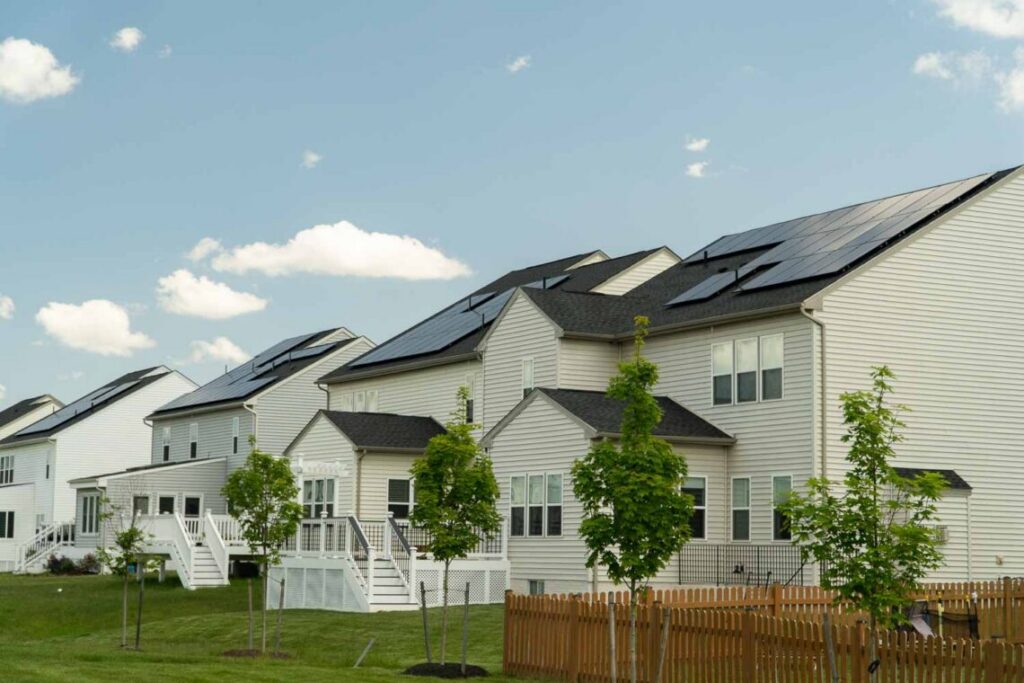
Virginia home with rooftop solar panels while the homeowner reviews a lower electric bill

Virginia solar incentives are the exemptions, certificates and billing rules that pay a system owner back for a solar energy system. Key aspects include tax exemptions, SRECs, eligibility, group purchasing, shared solar, low-income programs, the application process and solar incentives for homeowners. Virginia has no statewide rebate, so most of the value comes from net metering credits on your electric bill and the exemption state law sets for home systems on your electric utility’s grid.

Full Name
Do you own your home?

What is 7+5?

Terms & Conditions

By providing a telephone number, email address, and submitting your information on our website, you are consenting to be contacted by phone, email, or SMS text message by Lumina Solar regarding your inquiry. Message & data rates may apply. You can STOP messaging by sending STOP and get more help by sending HELP. You can opt-out of further contact by unsubscribing at the bottom of the email or by directly communicating with us. Your privacy is very important to us. Your information will not be sold or rented to any third parties. Access our Privacy Policy here.

Townhouses with rooftop solar panels on a sunny day

How Virginia Solar Incentives Work

Most Virginia solar incentives pay a system owner over time rather than up front. Virginia has no statewide rebate and no state solar tax credit, so the value comes from net metering, which turns the power your solar panels send to your electric utility’s grid into bill credits, from the state exemption for home systems, and from renewable energy certificates. The federal tax credit for homeowners is not available for installations completed after December 31, 2025.

Recognition

Awards & Accolades

  • Top Solar Contractors 2026 award badge

    Top Solar Contractors

    Solar Power World · 2026

  • Enphase Platinum Installer badge

    Platinum Installer

    Enphase Energy

  • NABCEP Accredited PV Installation Company badge

    Accredited PV Installer

    NABCEP

  • Better Business Bureau Accredited Business badge

    Accredited Business

    Better Business Bureau

  • Top Workplaces Construction Industry award badge

    Top Workplaces — Construction

    Top Workplaces

  • EnergySage Local Installer of the Year 2026 badge

    Installer of the Year — Local

    EnergySage · 2026

  • 2026 Best Places to Work award badge

    Best Places to Work

    Business Journal · 2026

  • Top Workplaces Innovation award badge

    Innovation

    Top Workplaces · Jun 2026

  • Top Workplaces Compensation and Benefits award badge

    Compensation & Benefits

    Top Workplaces · Jun 2026

  • Top Workplaces Employee Appreciation award badge

    Employee Appreciation

    Top Workplaces · Jun 2026

  • Top Workplaces Professional Development award badge

    Professional Development

    Top Workplaces · Jun 2026

  • Top Workplaces Purpose and Values award badge

    Purpose & Values

    Top Workplaces · Jun 2026

  • Top Workplaces Work-Life Flexibility award badge

    Work-Life Flexibility

    Top Workplaces · Jun 2026

VA Solar Incentives for Homeowners at a Glance

Each Virginia solar incentive has its own rules and status:

Incentive (set by)StatusWhat it gives
Net metering (State Corporation Commission)Open up to each investor-owned utility's 6% capBill credits per kWh sent to the grid
Home system exemption (Code of Virginia)Home systems up to 25 kW DCKept off the assessed value
Local option exemptionWhere a locality adopted oneAt least 5 years; can cover battery storage
SRECsOpen to registered systemsOne certificate per 1,000 kWh
Shared solarDominion Energy Virginia and Appalachian PowerCredits without panels on your roof
Switch TogetherSign-up closed October 15, 2026Expected average 23% discount
Solar for AllTerminated by the EPA in August 2025None
Federal tax credit for homeownersEnded for installations completed after December 31, 2025None

Virginia Solar Tax Exemptions

Virginia solar tax exemptions start with state law: a solar energy system of 25 kW DC or less on residential or agricultural property, rooftop or ground-mounted, is wholly exempt from state and local taxation, so it adds nothing to your assessed value. Other certified solar energy equipment, including battery storage, can get a local option exemption of at least five years where a locality has adopted an ordinance. Ask your locality how it certifies equipment first.

Solar Incentive Eligibility

Eligibility for Virginia solar incentives depends on the system:

  • Net metering: up to 25 kW for homes served by an investor-owned utility, 20 kW for electric cooperative members.
  • Tax exemption: small systems on residential or agricultural property.
  • HOA rules: an association can bar panels only through its recorded declaration.
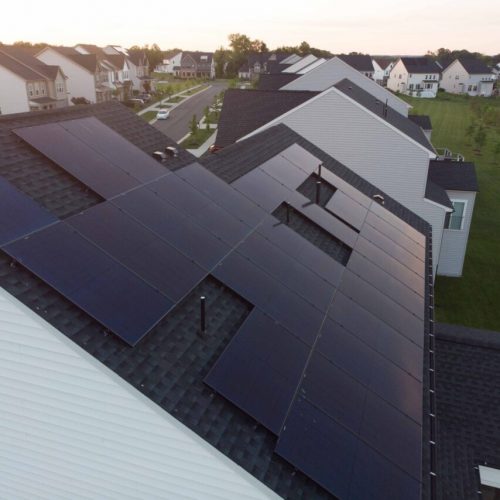
Rooftop solar panels on homes in a suburban neighborhood at sunset
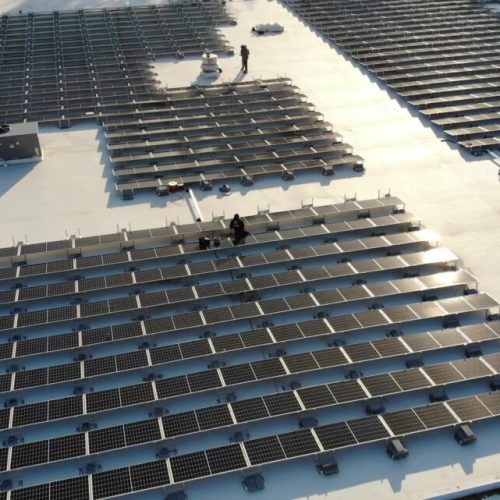
Rows of solar panels on a large flat roof

Virginia Low-Income Solar Programs

Low-income programs in Virginia solar incentives work through set-asides: 1% of each investor-owned utility’s 6% net metering cap is kept for low-income customers, and Dominion Energy Virginia’s shared solar includes low-income facilities with at least 30% low-income subscribers, at or below 80% of area median income. The EPA terminated Virginia Energy’s $156 million Solar for All grant in August 2025; courts ruled the termination unlawful in September 2026, but the funds had not been released as of October 28, 2026.

Virginia SRECs

Virginia SRECs are the solar incentive that pays cash: a solar energy system earns one renewable energy certificate (REC) for each megawatt-hour it produces, and under state law the system owner, not the electric utility, owns those certificates. Virginia’s largest utility must buy certificates from small systems to meet a state requirement, so the market sets their price. How this part of Virginia solar incentives works:

  1. You register the solar energy system in PJM-GATS, the regional tracking system.
  2. Each 1,000 kWh the system produces creates one certificate.
  3. You sell the certificates through a broker or aggregator, or, when you enter a power purchase agreement with your electric utility, use the one-time option to sell them to it at a value the State Corporation Commission sets.
  4. Under a solar lease or PPA, the contract decides whether the certificates belong to you or the third-party owner.

Read the ownership terms before you sign, because they decide who earns from every certificate.

Virginia Solar Incentives: How SREC Values Are Set

The value behind these Virginia solar incentives comes from the renewable portfolio standard set by the Virginia Clean Economy Act of 2020 and changed by the General Assembly in 2026:

  • Distributed generation carve-out: Dominion Energy Virginia's share from systems of 1 MW or less rises from 1% to 4.5% for 2026 through 2030 and to 5% from 2031.
  • Deficiency payment: a shortfall in that carve-out costs about $79 per MWh in 2026, rising 1% a year, which caps what a certificate can be worth.
  • REC price: buyers set it, so it moves with supply and demand.

Because the market sets the price, get a fresh offer before you sell.

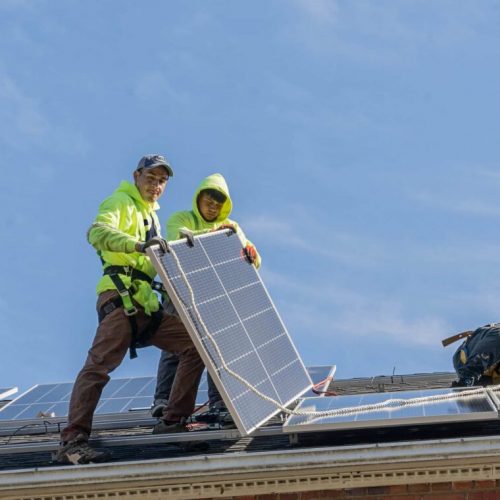
Solar panels being placed on a home's roof

Virginia Shared Solar

Virginia shared solar lets renters and homes without a usable roof share in Virginia solar incentives without panels of their own: you subscribe to an off-site project in your electric utility’s territory and receive bill credits for your share of its output. Dominion Energy Virginia’s program, whose low-income customers are exempt from the minimum bill, covers 200 MW plus 525 MW opened on July 1, 2026, and Appalachian Power’s covers 100 MW, with 50 MW more due on January 1, 2028. A shared solar customer cannot also use net metering. Check the subscription fee, the credit method and the cancellation terms before you sign.

Virginia Solar Application Process

Solar Incentive Ownership Check

Claiming Virginia solar incentives starts with ownership, because most of them go to the system owner. When you buy the solar energy system with cash or a solar loan, you own it and hold its certificates. With a solar lease or a power purchase agreement, a third-party owner holds the system; in investor-owned utility territory, third-party PPAs run through an SCC pilot program that, from July 1, 2026, has no minimum size and a 3 MW maximum, while home systems stay within the 25 kW net metering limit. These ownership options decide which incentives reach you, so read who keeps the certificates and the bill credits before you choose a payment route.

Solar Incentive Approvals

The second step toward Virginia solar incentives is approval to build. Building and electrical permits come from your locality’s building department, and the installer usually files them. Under a homeowners’ association, Virginia law lets it bar panels only through its recorded declaration; reasonable size and placement rules are allowed, but a rule that raises cost by 5% or more or cuts production by 10% or more is unreasonable.

Solar Interconnection Approval

Interconnection is the electric utility’s approval to connect the solar energy system. Before construction starts, you or your installer file the utility’s notification form, and for a home system the utility has 30 days to review it; without an answer, you may interconnect on day 31 unless the utility asks the State Corporation Commission for a waiver. A licensed electrician certifies the installation, or the final local electrical inspection is used instead, and inverter systems over 10 kW need a utility inspection with a fee of no more than $50. Apart from limited exceptions such as extra metering, state rules allow no other interconnection fees.

Solar Permission to Operate

Once the work passes review, the electric utility installs a net meter that records power in both directions and grants permission to operate, which in practice comes before the solar energy system runs. In Dominion Energy Virginia territory a home system above 20 kW AC pays a standby charge, while Appalachian Power may not charge one to residential customers. Electric cooperative members face a standby charge for home systems above 10 kW.

Solar Incentive Enrollment

Net metering enrollment comes with the interconnection, and the solar energy system must fit two limits to qualify. Size: up to 150% of your expected annual consumption in Dominion Energy Virginia territory and 100% with Appalachian Power, based on the previous 12 months of bills. Program: net metering is capped at 6% of each investor-owned utility’s peak load, with 1% kept for low-income customers, and systems join first come, first served. Plug-in solar devices are excluded from net metering from January 1, 2027.

Solar Certificate Registration

Registering for certificates is a separate step from net metering. The system owner, or a broker on the owner’s behalf, opens an account in PJM-GATS and registers the solar energy system so its metered production creates renewable energy certificates. Under Virginia law the certificates stay with you while you net meter, and the one-time option to sell them to your electric utility comes at a value the State Corporation Commission sets. Compare that value with market offers before you choose, because the option can be used only once.

Solar Incentive Paperwork, Guided

Virginia solar incentives come with paperwork at several steps of this application process, and that is where Lumina Solar helps. Lumina Solar reviews the range of solar incentives in Virginia that fit your home and guides you through any application requirements. It gives you the information and materials that make claiming Virginia SRECs simpler, takes charge of the complete permit application on your behalf, and organizes the inspection with the electric utility so the system can receive permission to operate. Ask Lumina Solar which Virginia solar incentives your home can claim.

Virginia Solar Incentives and the Federal Credit

The federal Residential Clean Energy Credit, taken against federal income tax, is not allowed for a home system whose installation is completed after December 31, 2025, the date the IRS uses. The One Big Beautiful Bill Act, signed on July 4, 2025, ended it early, although the Inflation Reduction Act had set 30% through 2032. Virginia solar incentives therefore work without the federal tax credit for homeowners for any later system. A business or third-party owner can claim the investment tax credit (48E) if construction began by July 4, 2026 and the IRS continuity rules are met; a system started after that date must be placed in service by December 31, 2027, so ask how such a credit affects the price of a third-party arrangement.

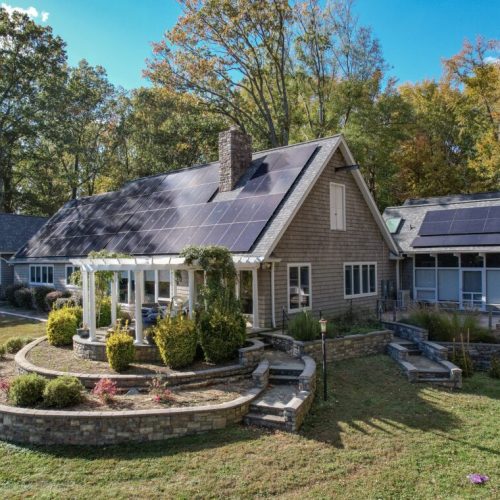
Shingled home with rooftop solar panels among autumn trees

Virginia Solar Incentives: Net Metering

Net metering is the Virginia solar incentive that turns excess electricity into bill credits: your electric utility’s net meter records power in both directions, and each kWh your system sends out offsets one you use later, at the retail rate, within a 12-month net metering period.

Net metering rules come from the Code of Virginia and the State Corporation Commission. Credits carry forward from month to month, and a year-end surplus is paid only under a power purchase agreement with the utility, at an approved rate. On April 30, 2026, the commission kept annual netting for Dominion Energy Virginia and set, for non-low-income customers with a new or modified interconnection from a date at least 12 months after the order, a $1 monthly administrative charge and $0.05829 per kWh for year-end surplus; existing customers of that utility keep their terms unless they modify their system. On August 29, 2025, it kept annual netting at the full retail rate for Appalachian Power, with about 5.7 cents per kWh for surplus above a customer’s yearly use, and left existing customers on their current rules. Size the solar energy system to your yearly use so most credits offset your own electric bill.

Virginia Solar Incentives: Group Purchasing and Battery Storage

Group purchasing lowers the price of a system instead of paying a credit: installers bid in a reverse auction, and everyone who signs up is offered the winning price. The state's 2026 Switch Together campaign, announced on July 13, 2026, projected an average discount of 23%, which the state put at about $6,300, with optional batteries, and closed sign-up on October 15, 2026; the Solarize Virginia campaign closed sign-up on August 15, 2026, after extending its July 15 deadline. Lumina Solar partners with Switch Together. For battery storage:

  • Virginia has no statewide battery incentive or rebate.
  • A local exemption can cover certified equipment that stores energy, where a locality allows it.
  • Group purchasing campaigns have offered battery discounts alongside solar.

Before adding a battery, ask whether it needs another interconnection review.

Virginia Solar Incentives FAQ

What Virginia solar incentives can homeowners claim?

The Virginia solar incentives homeowners can claim are net metering credits on the electric bill, the tax exemption for home systems, SRECs and, in years when a campaign runs, group purchasing prices. Virginia offers no statewide rebate, and the federal tax credit for homeowners ended for installations completed after December 31, 2025. These homeowner solar incentives reach rooftop solar for net metering whoever owns it, while the certificates go to the system owner. Lumina Solar reviews which of them fit your home.

Do Virginia solar incentives pay for solar panels?

No, Virginia solar incentives do not pay for solar panels through a statewide rebate or a state tax credit. Its support comes from laws the General Assembly passed on tax exemptions, net metering and the renewable portfolio standard, which requires a growing share of renewable energy. A federal grant for low-income customers, run by Virginia Energy, was terminated in August 2025 and remained frozen as of October 28, 2026. Talk to Lumina Solar about which programs reach your solar panels.

Is solar property exempt from taxes in Virginia?

Yes, solar property is exempt from taxes in Virginia when it is a home or farm system within the statutory size limit, and local governments cannot refuse that exemption. Other certified solar energy equipment depends on local property taxes rules: a locality may exempt it by ordinance for at least five years. Ask Lumina Solar how it fits your home.

Do Virginia solar incentives include net metering, and what are its rules?

Virginia solar incentives include net metering, whose rules credit each kWh a rooftop solar system sends to the grid against later use over a 12-month period, for systems that run on renewable energy. Electric cooperative members follow a separate net metering law with lower size limits. Power left over at year-end is paid well below the retail rate, near the utility's avoided cost, so most owners size for yearly use. Lumina Solar guides you through any application requirements.

What are SRECs worth in Virginia, and how often are they paid?

SRECs in Virginia are worth what a buyer pays, because the market sets the price and the deficiency payment of about $79 per MWh in 2026 caps it. Payment timing depends on your buyer's contract. The General Assembly's 2026 changes raised the renewable energy share Virginia's largest utility must buy from small systems. Under a third-party arrangement, check who keeps them. Lumina Solar provides the information and materials that make claiming Virginia SRECs simpler.

Do Virginia solar incentives include a federal tax credit?

Virginia solar incentives include no federal tax credit for homeowners whose installation was completed after December 31, 2025, because the One Big Beautiful Bill Act ended the Residential Clean Energy Credit. A third-party owner can claim the investment tax credit under its own deadlines. Bring your federal tax credit questions to Lumina Solar when you compare ownership options.

Do Virginia solar incentives include no-cost solar for low-income households?

Virginia solar incentives include no statewide no-cost solar program for low-income households: the EPA terminated Virginia Energy's $156 million Solar for All grant in August 2025, courts ruled that unlawful in September 2026, and the funds had not been released as of October 28, 2026. Low-income customers keep a 1% share of each investor-owned utility's net metering cap and, in Dominion Energy Virginia territory, a low-income share of shared solar. Ask Lumina Solar which low-income programs it sees in your area.

Do you have to own the system to get Virginia solar incentives?

Not for every one of the Virginia solar incentives: if you own the system, you hold its certificates, while net metering credits land on the electric bill of the home either way. In investor-owned utility territory, a third-party PPA runs through the third-party PPA pilot the General Assembly created, which sets no minimum system size from July 1, 2026, and shared solar customers receive credits without owning any rooftop solar. Talk through these ownership options with Lumina Solar before you choose.

What Virginia solar incentives are there for businesses?

Virginia solar incentives for businesses start with a property tax exemption: business solar equipment gets a full or partial exemption from local property tax under state law, depending on its size, and Virginia Energy is the certifying authority. Nonresidential and commercial customers can use net metering for systems up to 3 MW with an investor-owned utility, commercial renewable energy projects can use C-PACE financing for up to 100% of the cost where the locality offers it to commercial property owners. For agricultural producers and rural small businesses, the USDA's REAP program had no open grant window as of November 2, 2026. Lumina Solar handles residential and commercial installations, so ask about your commercial project.

Can renters use Virginia solar incentives?

Yes, renters can use Virginia solar incentives through shared solar: a renter joins an off-site project and receives bill credits where the electric utility runs a program. The building's owner, not the renter, holds any exemption and certificates, and an electric cooperative member should check the cooperative's own rules on eligibility. Ask Lumina Solar whether rooftop solar suits your own home.

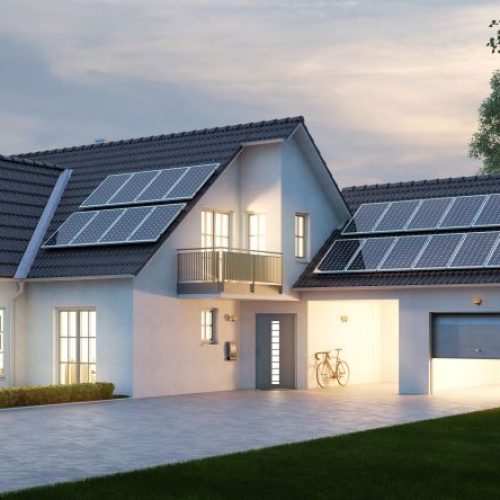
Two-story home with rooftop solar panels at dusk

Keep Up With Virginia Solar Incentives and Program Changes

Virginia solar incentives depend on SCC orders, state laws and program funding. Lumina Solar reviews the incentives that fit your home and guides you through any application requirements.

Find Out Which Virginia Solar Incentives Fit Your Home

Net metering, the tax exemption for home systems and SRECs carry most of the value of Virginia solar incentives for a system owner, while shared solar and group purchasing help homes that cannot add panels or want a lower price. Lumina Solar reviews the solar incentives in Virginia for your home and provides the information and materials for claiming Virginia SRECs. Fill out the short form to get started.

Take the first step toward energy independence

Full Name
Optional
Do you own your home?
Skip to content