If you’re thinking about switching to solar, one of the first questions you may ask is, “What credit score do I need to get solar panels?” The answer depends on how you plan to pay for your system. While paying in cash doesn’t require a credit check, financing options like solar loans and leases usually do.
The good news is that you don’t need perfect credit to enjoy the benefits of solar. Many homeowners qualify for financing with average credit, and there are steps you can take to improve your score if you’re not quite there yet. Building stronger credit can give you more financing choices and help you qualify for better terms.
How Your Credit Score Affects Solar Financing
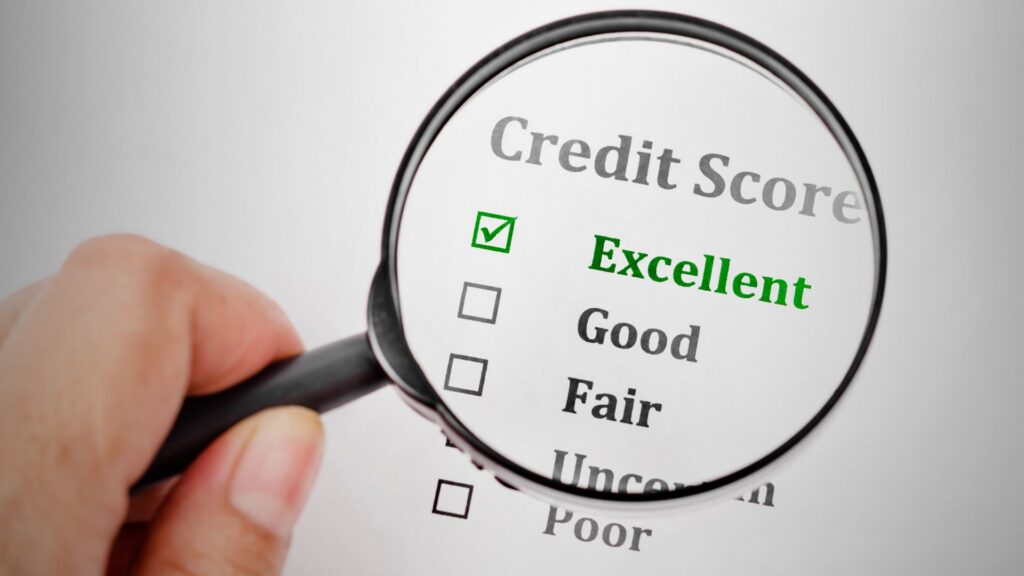
Lenders use your credit score to understand how you manage debt and make payments. A higher score often means you are viewed as a lower-risk borrower, which can lead to lower interest rates and more flexible loan terms.
If you’re wondering what credit score you need to get solar panels, there isn’t one number that applies to every homeowner. Each lender has its own approval requirements, and some financing programs are more flexible than others. Your income, existing debt, and payment history may also be considered during the application process.
For homeowners who are not ready to purchase a system outright, solar leasing can be a great option. Instead of owning the equipment, you pay a monthly rate to use the system while enjoying many of the same benefits of solar energy. Leasing providers also review credit during the approval process, but their requirements can vary by company.
How to Improve Your Credit Before Going Solar
If your credit score needs work, taking a few simple steps can improve your chances of qualifying for financing.
Start by paying all of your bills on time. Payment history is the largest factor in your credit score, so making consistent payments can have a positive impact over time.
Next, keep your credit card balances low. Using less than 30% of your available credit shows lenders that you manage credit responsibly. Paying down high balances can also help improve your score.
Review your credit report regularly for errors or outdated information. Mistakes can affect your score, and correcting them may improve your credit more quickly than you expect.
It is also a good idea to avoid opening several new credit accounts at once. Too many new accounts in a short period can lower your score temporarily. Keeping older accounts open can also help because the length of your credit history plays a role in your overall score.
These habits not only strengthen your credit but can also increase your financing options when you’re ready to install solar.
Solar Is Still Within Reach
Many homeowners delay going solar because they believe their credit score is not high enough. In reality, there are several ways to pay for a solar system, and financing options continue to grow.
If you’re asking “What credit score do I need to get solar panels?”, remember that improving your credit can open more opportunities, but it is not the only factor lenders consider. Whether you choose a solar loan, purchase your system with cash, or explore a solar lease, there may be an option that fits your financial situation.
Improving your credit today can help you secure better financing tomorrow. It may also lead to lower monthly payments, faster approvals, and greater flexibility when choosing the right solar solution for your home.
Before making a decision, speak with a trusted solar provider about the financing options available in your area. They can explain the requirements for loans and leases and help you find a solution that works for your budget. With the right preparation, switching to solar can become a realistic goal, no matter where you are on your credit journey.